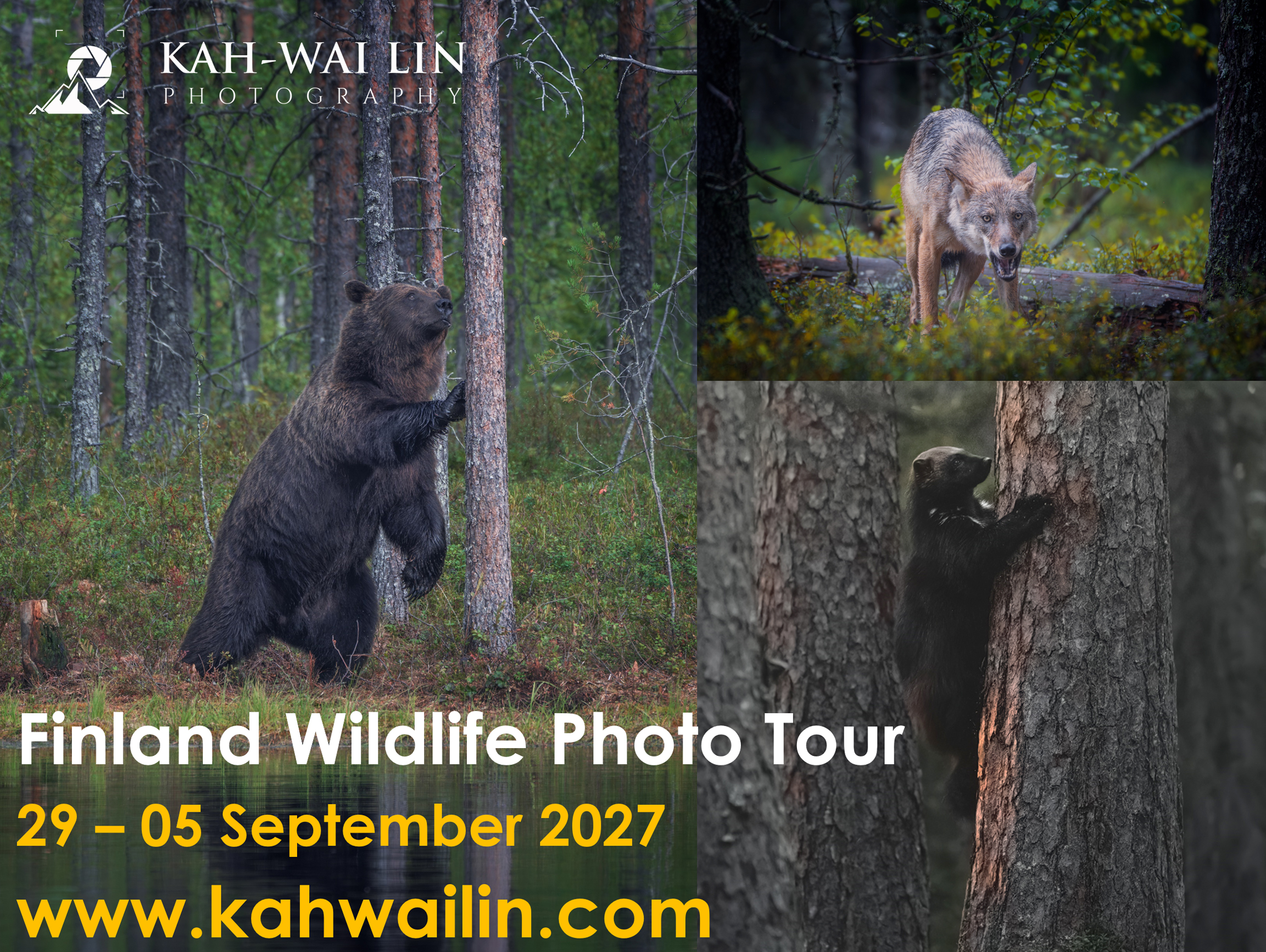

I just returned home from an amazing Finland Wildlife Photo Workshop. What an incredible experience!
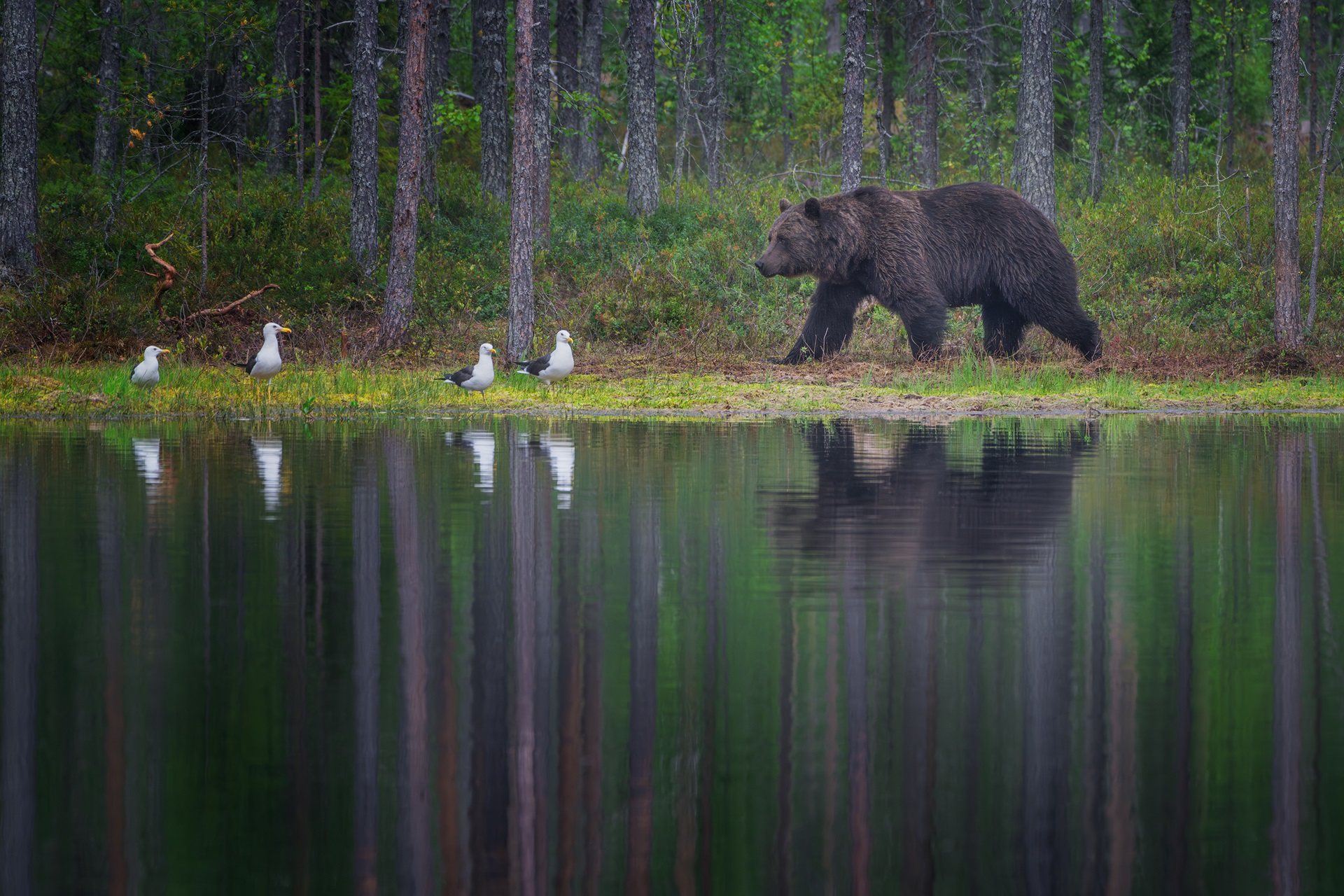
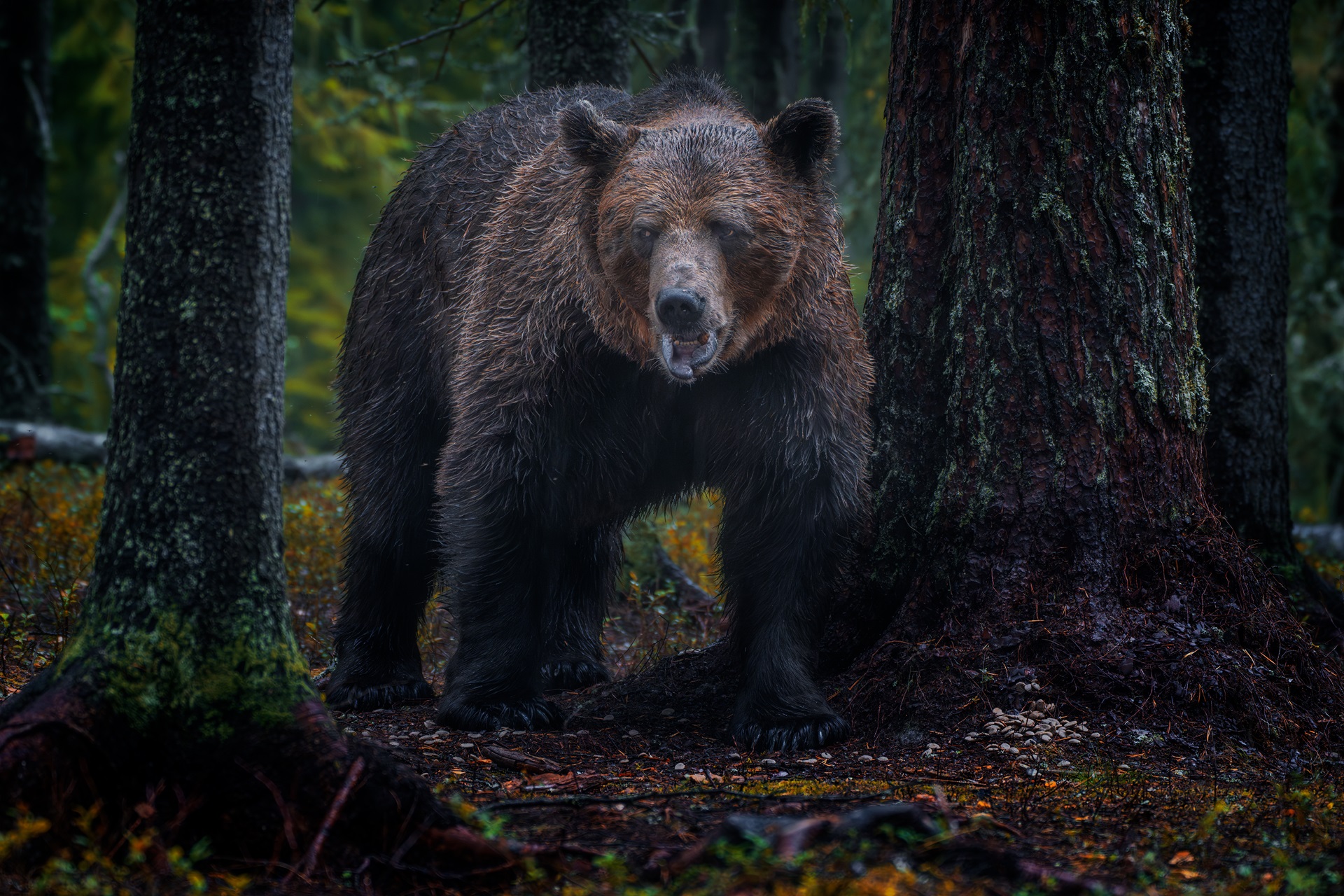
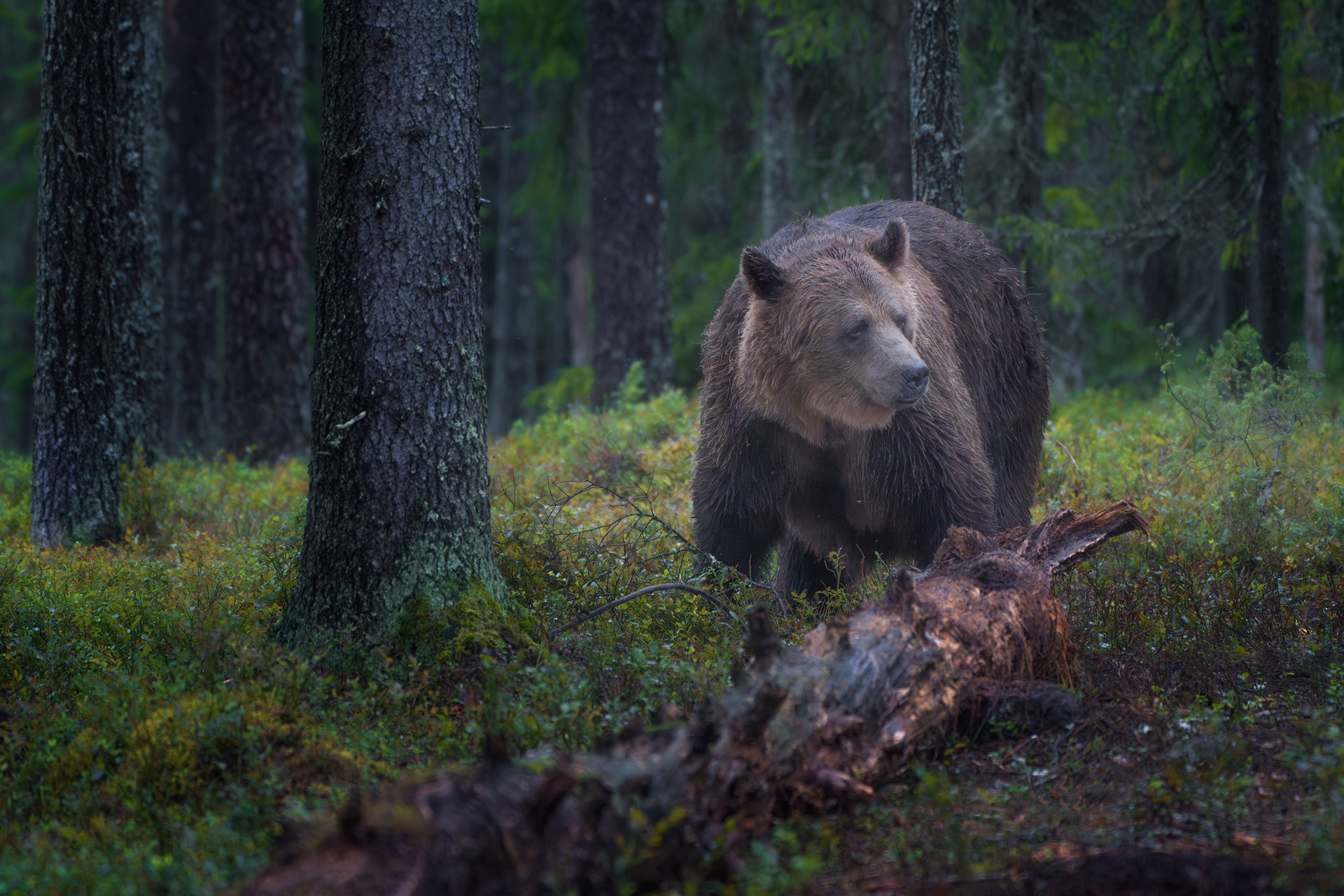
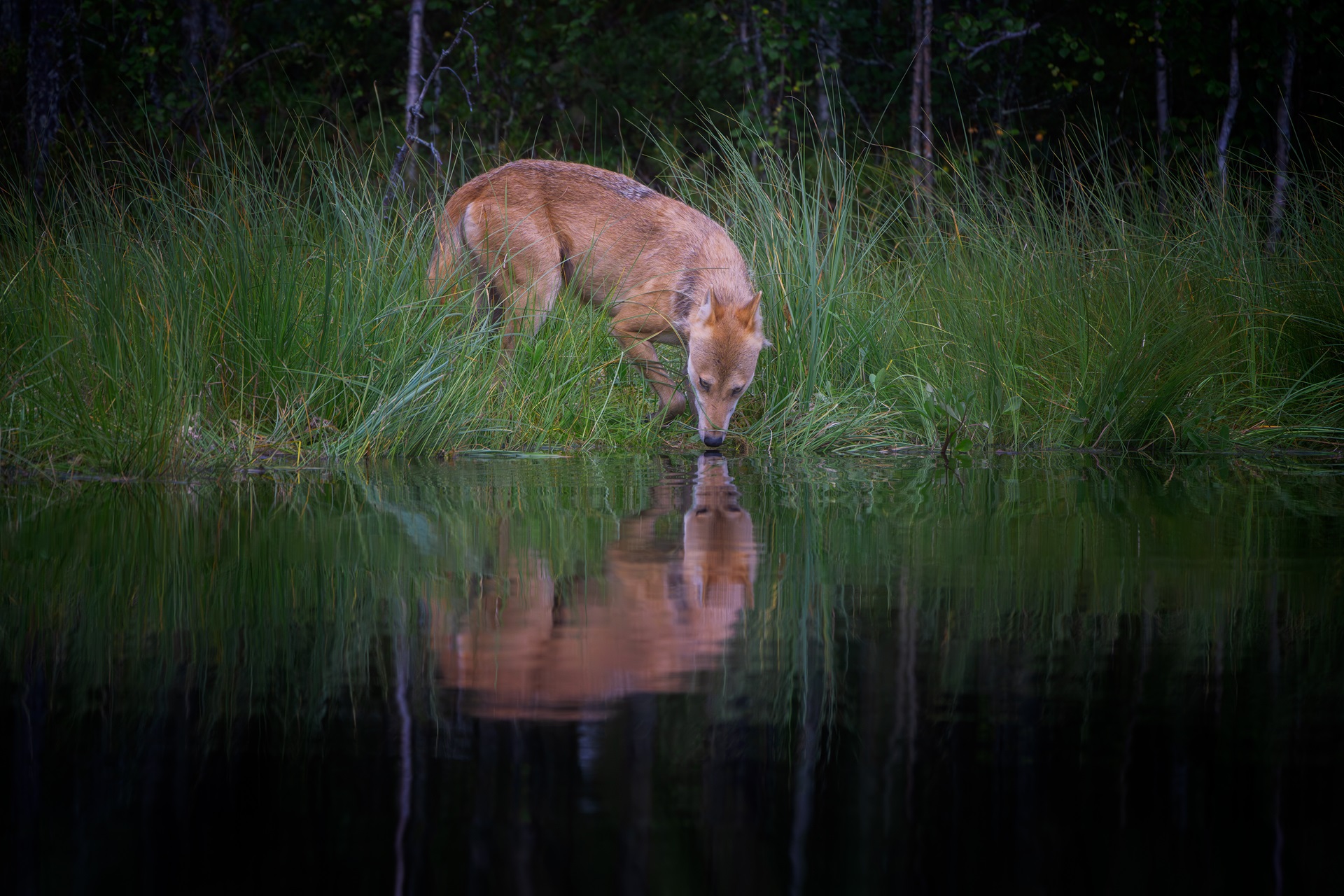
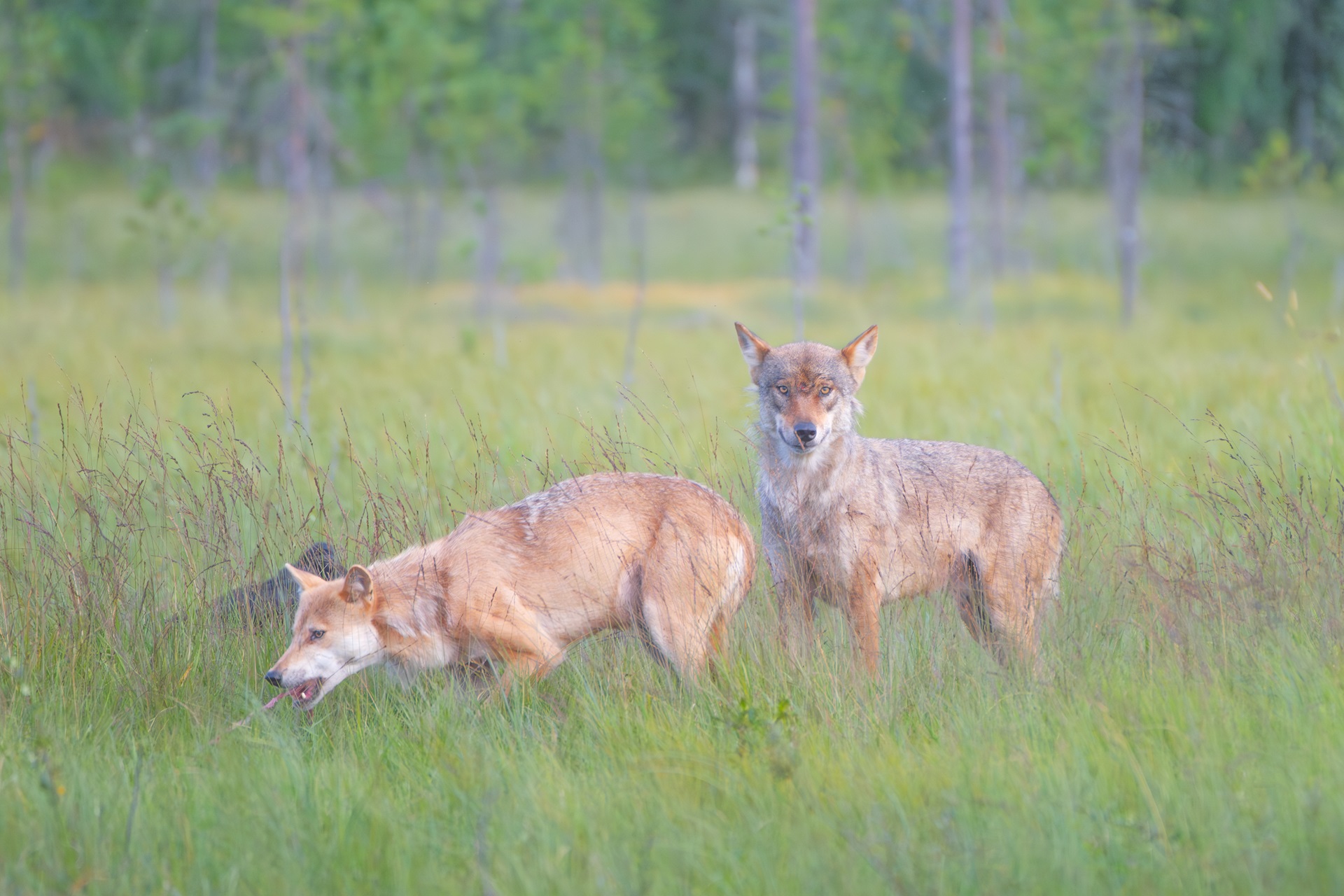
Each day, we were assigned to different photography hides in different locations, where we quietly waited for the wildlife to appear. We had many close encounters with brown bears and Eurasian wolves, as well as birds of prey including white-tailed eagles and black kites, among many others. Beyond photography, I also learned so much about the behavior and interactions of these incredible animals, as well as some fascinating aspects of Finnish culture and its long relationship with wildlife. Here are some of the images I have processed from the trip so far. I hope you enjoy them!
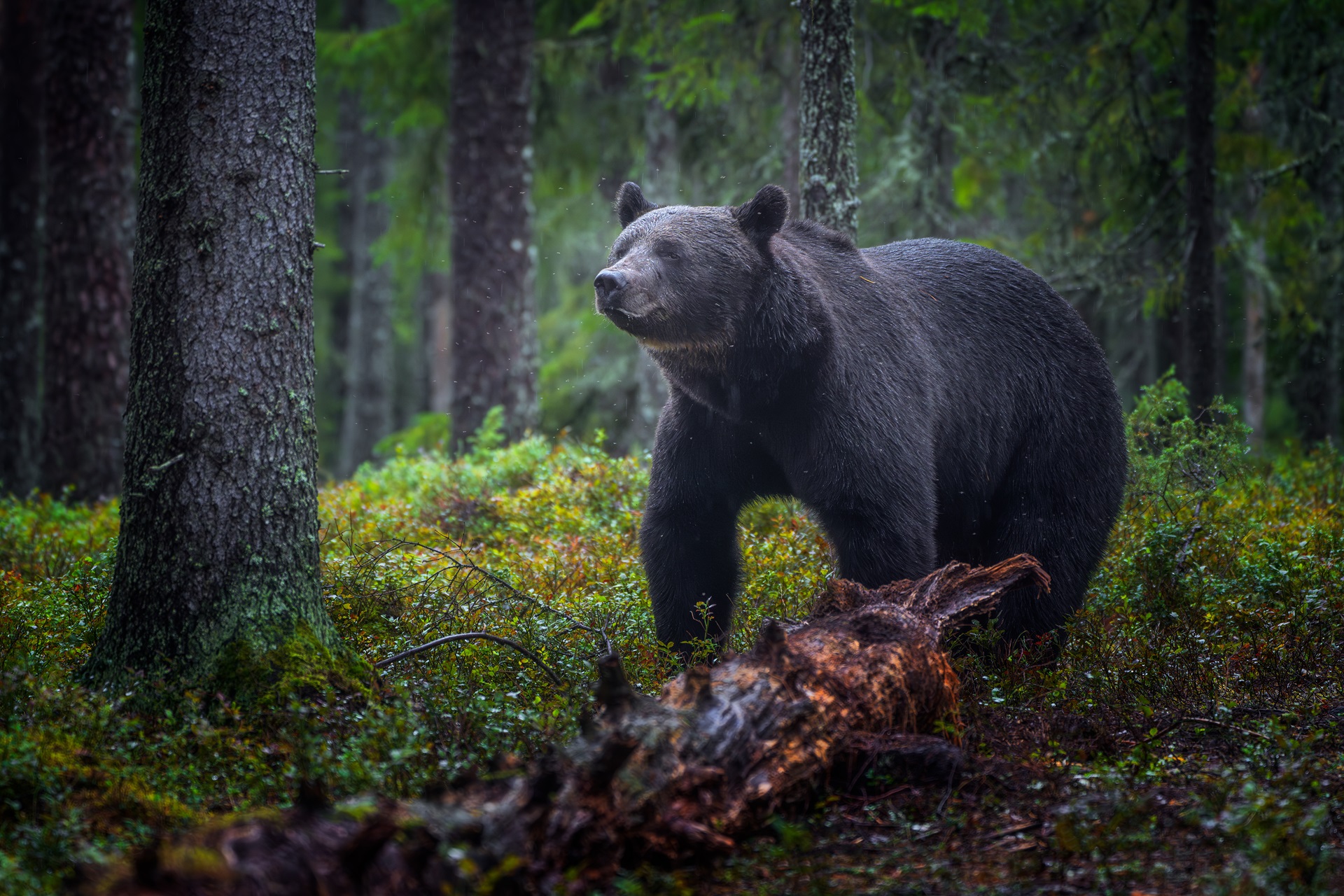
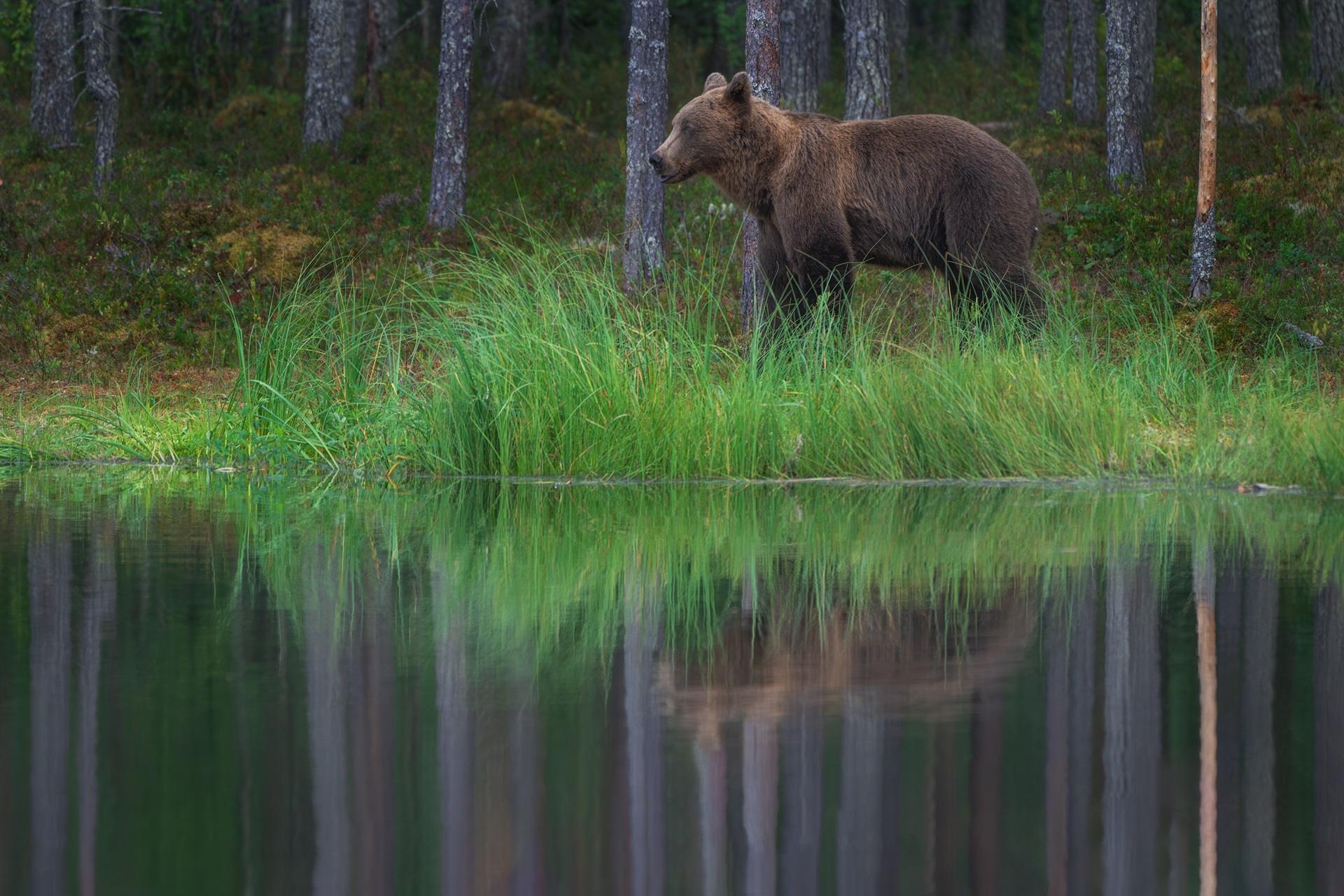
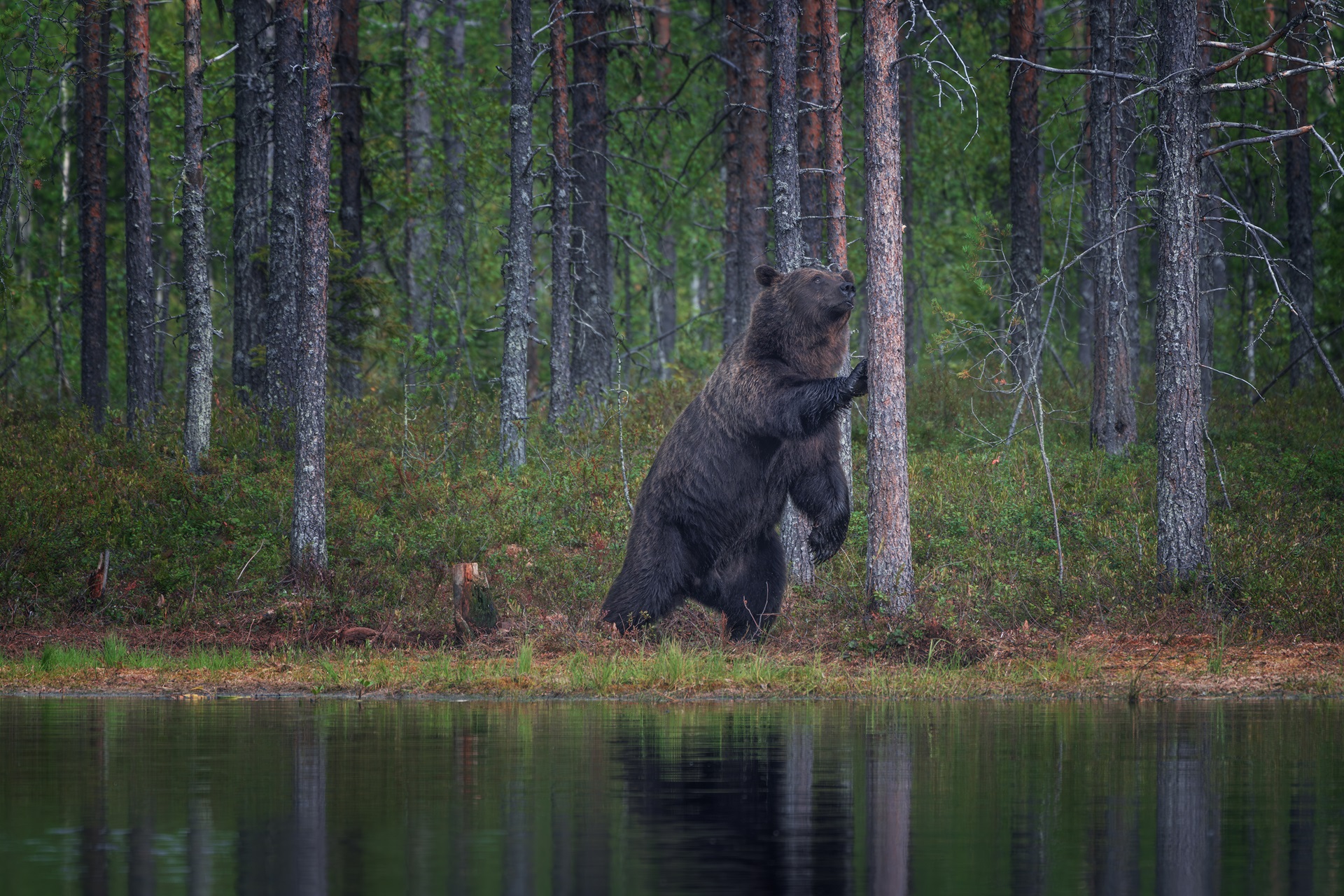
Around 1,500–2,000 brown bears roam freely in Finland, where the brown bear is the national animal. Finnish has more than 200 different names for bears because ancient Finns believed that speaking a bear’s true name aloud could summon the animal or show it disrespect. Instead, they used respectful substitute names, and even the modern Finnish word karhu, as in ruskeakarhu (“brown bear”), is thought to have originally been one of these euphemisms. This tradition of avoiding the true names of powerful predators is found in many cultures around the world, reflecting the deep respect people once held for these formidable animals.
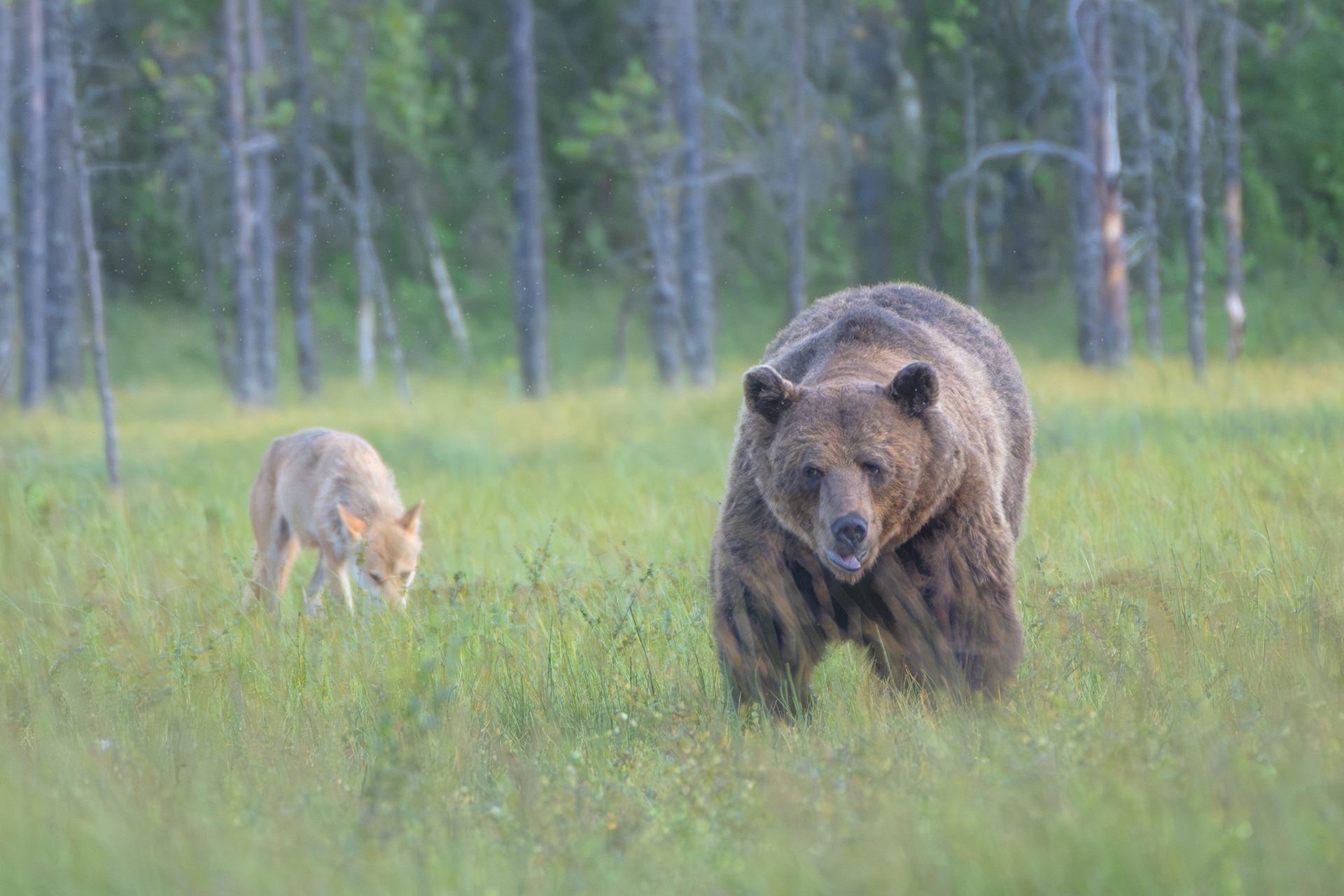
In Finland, Eurasian wolves were once nearly wiped out by intensive hunting and persecution. Today, thanks to legal protection and the natural movement of wolves from neighboring populations, they are gradually returning to parts of their former range. Eurasian wolves play an important role in keeping ecosystems healthy. As top predators, they help regulate populations of animals such as deer and can influence where and how these animals feed. This may reduce excessive browsing and grazing in some areas, giving young trees and other vegetation a better chance to grow. Their presence therefore has effects that extend far beyond the animals they hunt, contributing to the complex balance of forests and other natural habitats.
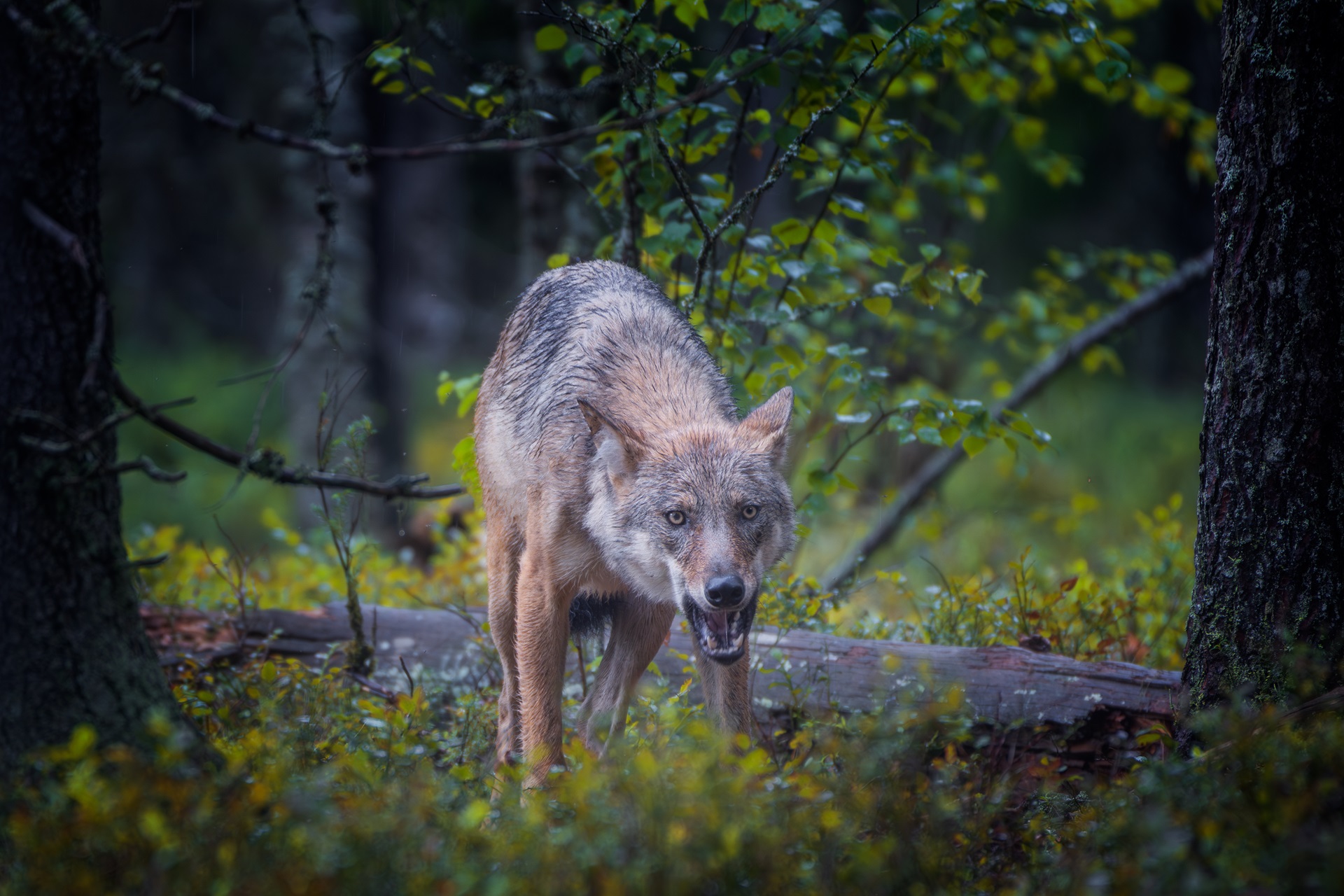
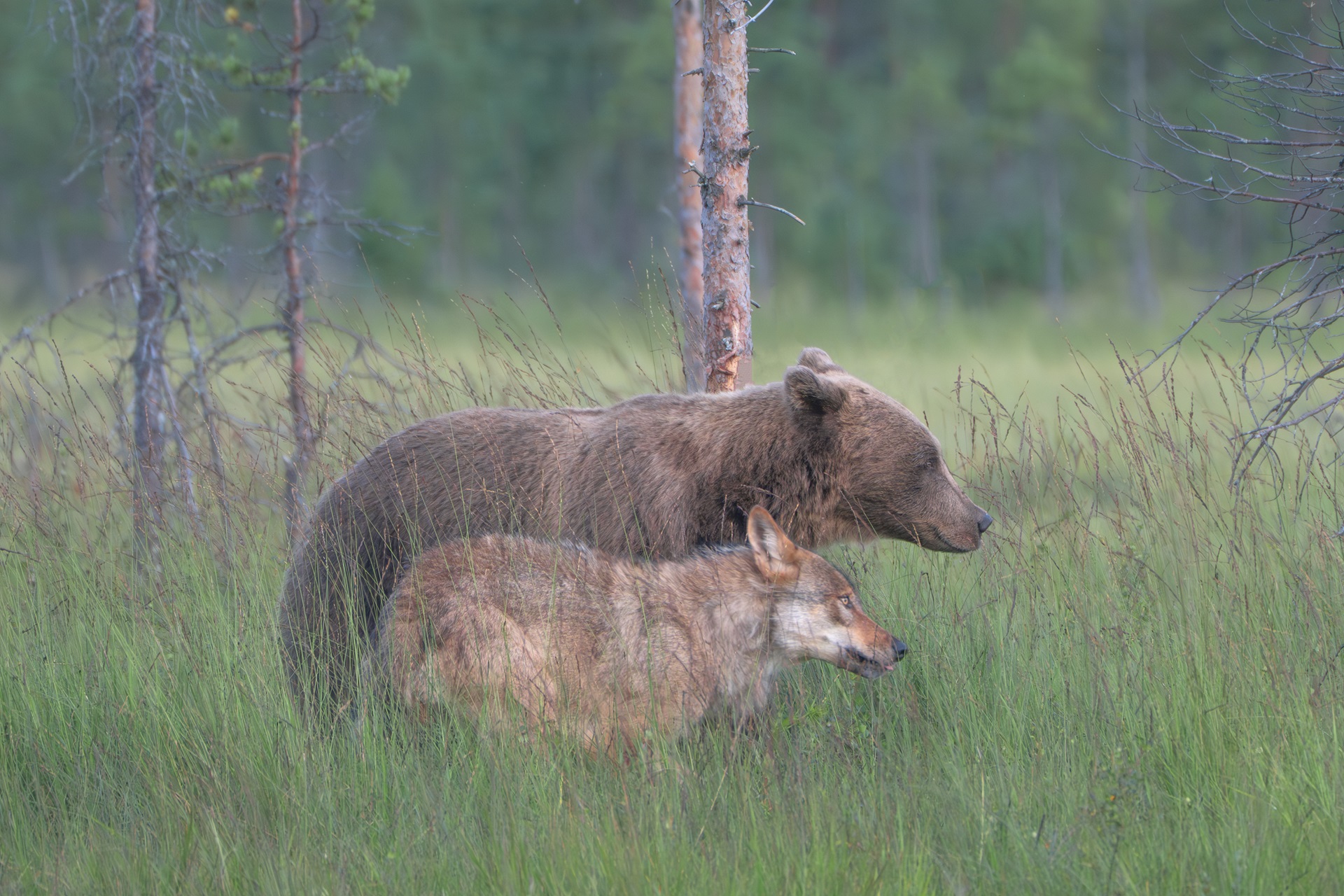
Although brown bears and wolves are natural competitors in Finland’s boreal forests, physical confrontations are surprisingly rare. Fighting wastes valuable energy and carries a high risk of injury, so these apex predators typically resolve encounters through intimidation, bluffing, or simply escorting one another away rather than escalating into dangerous battles. It’s a fascinating reminder that, in the wild, avoiding conflict is often the best survival strategy.
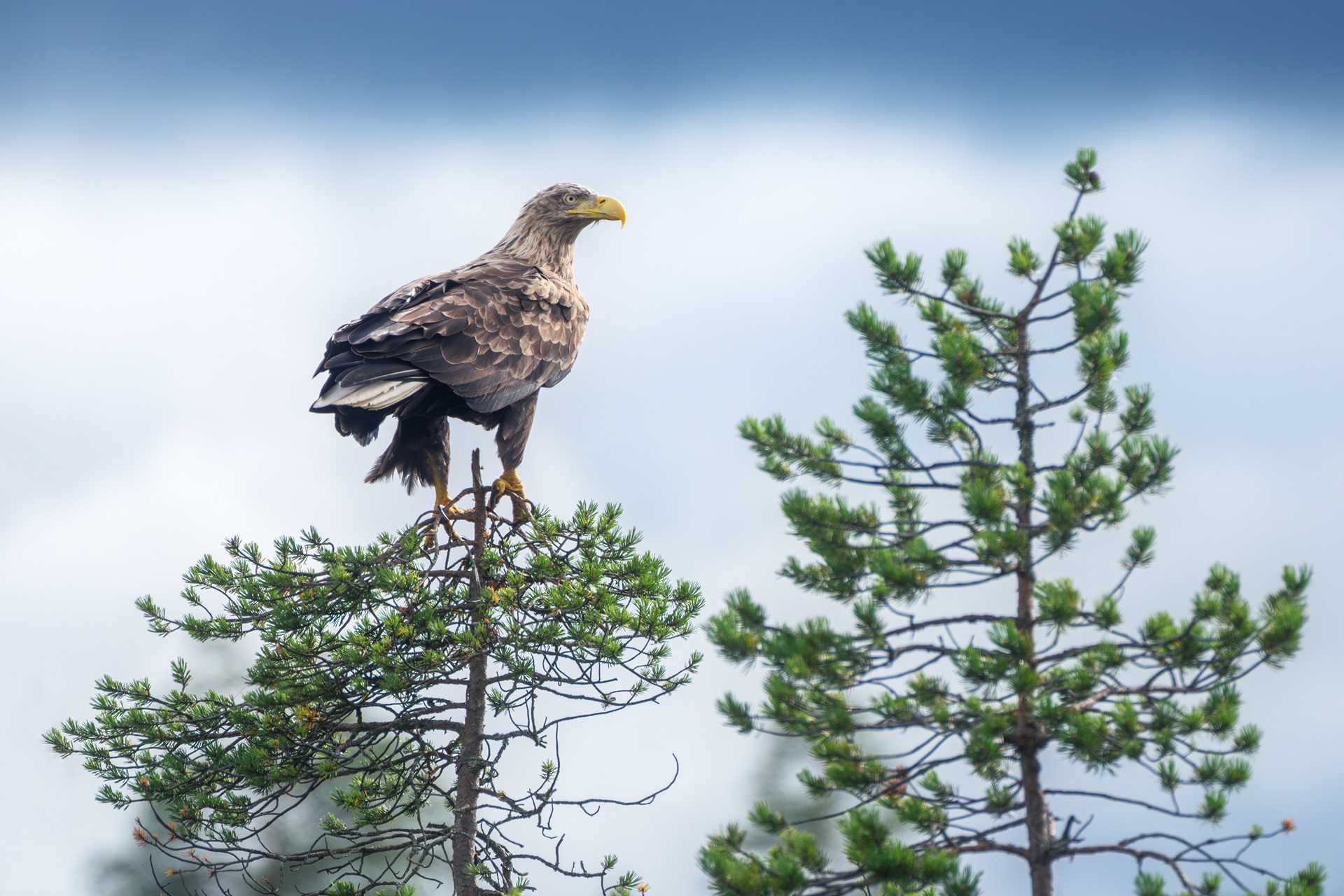
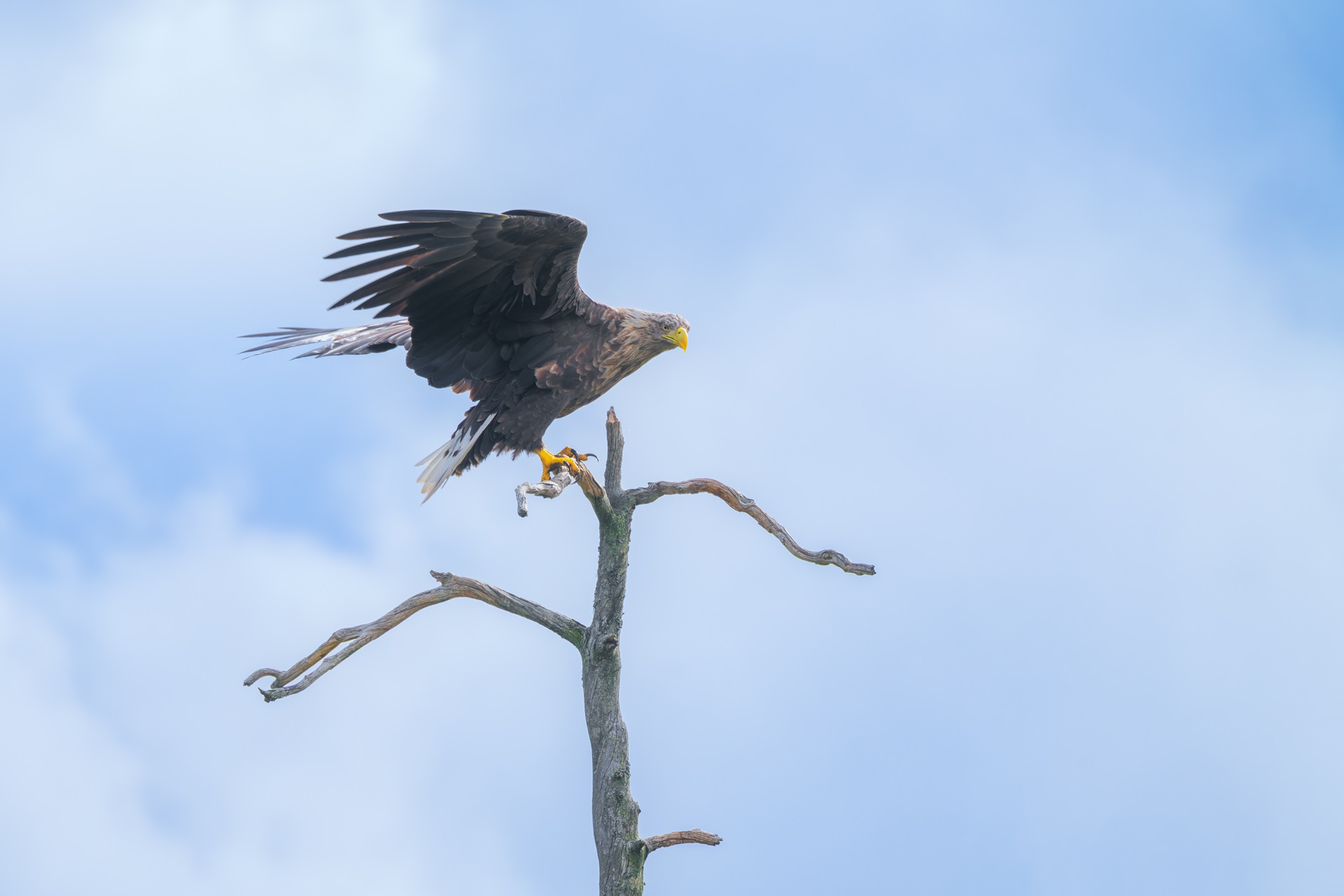
White-tailed Sea Eagle is one of Europe’s largest and most powerful birds of prey, but it doesn’t always catch its own dinner. White-tailed Sea Eagles are known to practice kleptoparasitism, a fascinating feeding strategy in which they steal freshly caught food from other animals. They may pursue ospreys carrying fish, harass other waterbirds, or simply use their enormous size and strength to take over another animal’s meal. Sometimes, survival isn’t about working harder, it’s about recognizing an opportunity.
We will be another Finland Wildlife Photo Workshop in 2027, and this time we are heading there in autumn, when Finland’s forests will be transformed by beautiful fall colors! Join us for this amazing photography adventure!
For more information, please visit: https://kahwailin.com/finland-2027g/