

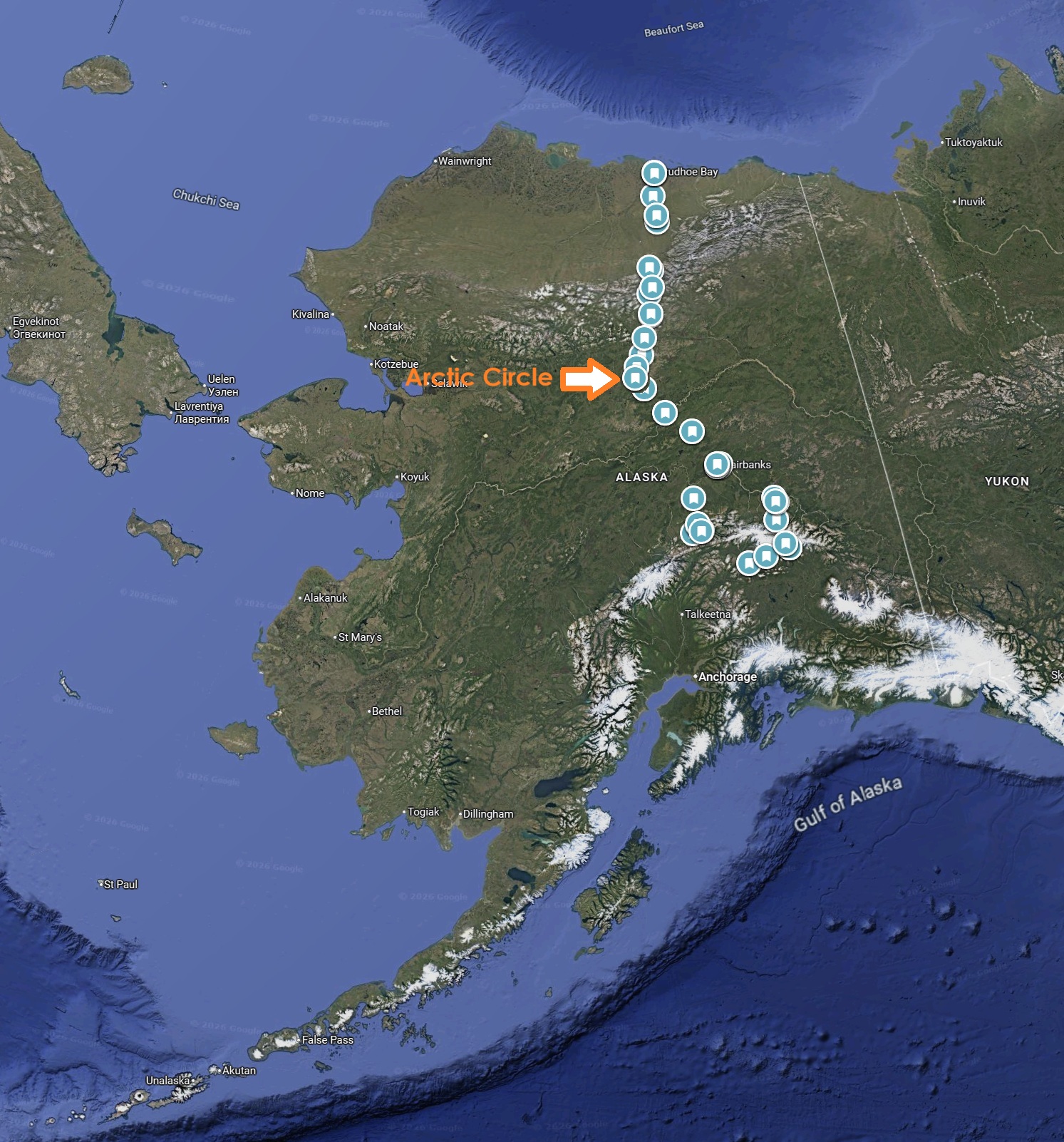
Home at last after an unforgettable journey through Alaska in the past 2 weeks, from golden autumn tundra and towering mountain landscapes to the vast wilderness north of the Arctic Circle.
Our journey started in Fairbanks. From there, we traveled south to explore Denali National Park and the Denali Highway before turning north and following the legendary Dalton Highway all the way to Deadhorse. We crossed the Arctic Circle and continued farther and farther north until we finally reached Deadhorse, just roughly 10 miles from the Arctic Ocean! The goal of this trip was to capture both Alaska’s spectacular autumn colors and its wildlife. The fall colors, together with the majestic mountain landscapes stretching from south to north, were truly spectacular.
We also had some incredibly successful wildlife sightings. By the end of the trip, we had seen 94 caribou, 27 musk oxen, 11 moose, 1 red fox, 1 porcupine, 2 sandhill cranes, and countless of ptarmigan, bald eagles, and golden eagles. It was a pity that we missed grizzly bears on this trip, but with everything we did see, I really can’t complain!
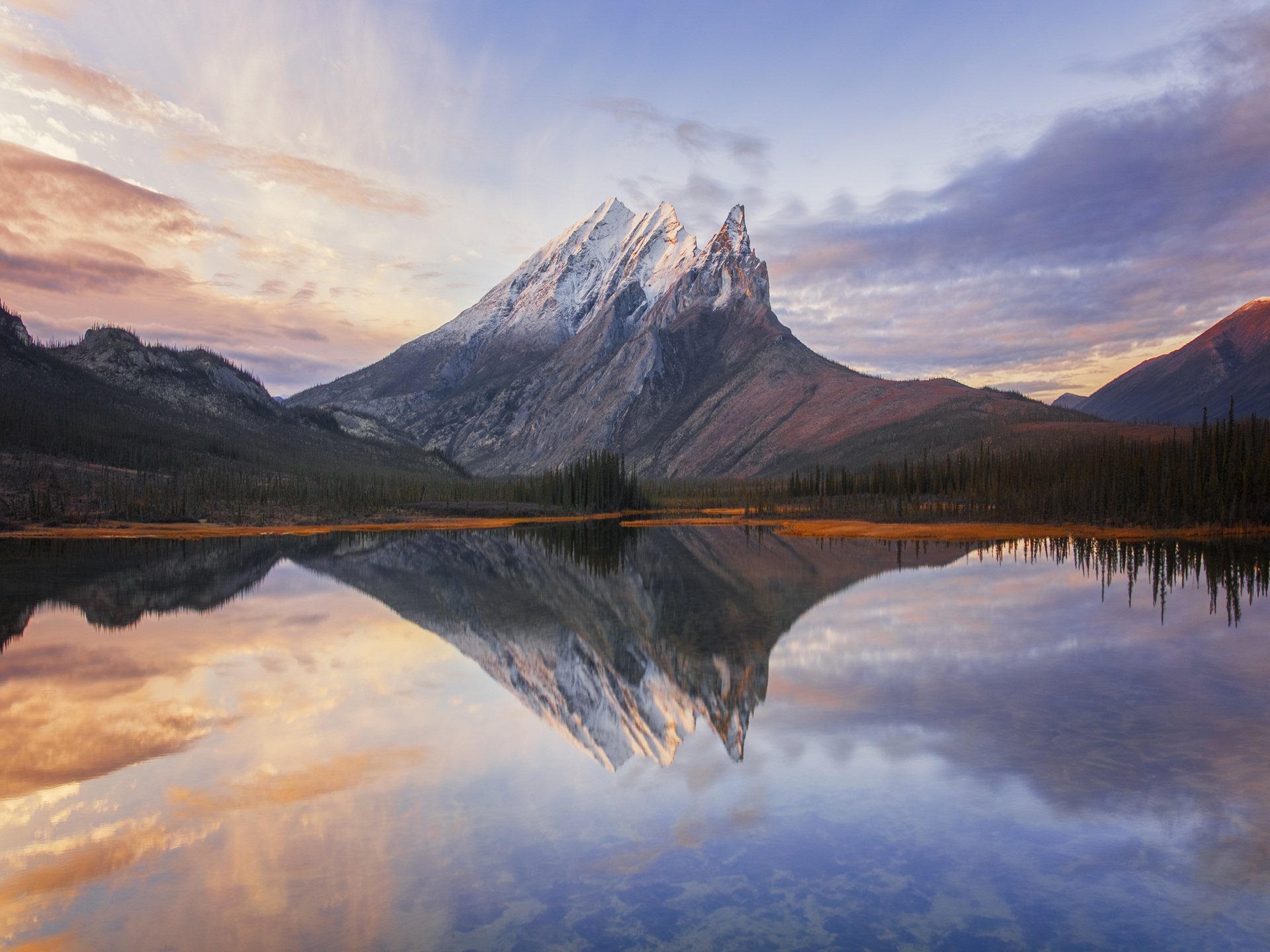
There was certainly no shortage of spectacular mountains along our journey, but Sukakpak Mountain was definitely my favorite of them all!
Rising dramatically from Alaska’s Brooks Range, Sukakpak Mountain immediately caught my attention with its massive marble cliffs and striking shape. The Brooks Range itself is an immense mountain chain stretching roughly 700 miles (1,100 km) across Arctic Alaska. With few roads or towns, it remains one of the wildest and most remote mountain regions in the United States. The name “Sukakpak” comes from an Iñupiaq word often translated as “marten deadfall,” referring to a traditional type of animal trap.
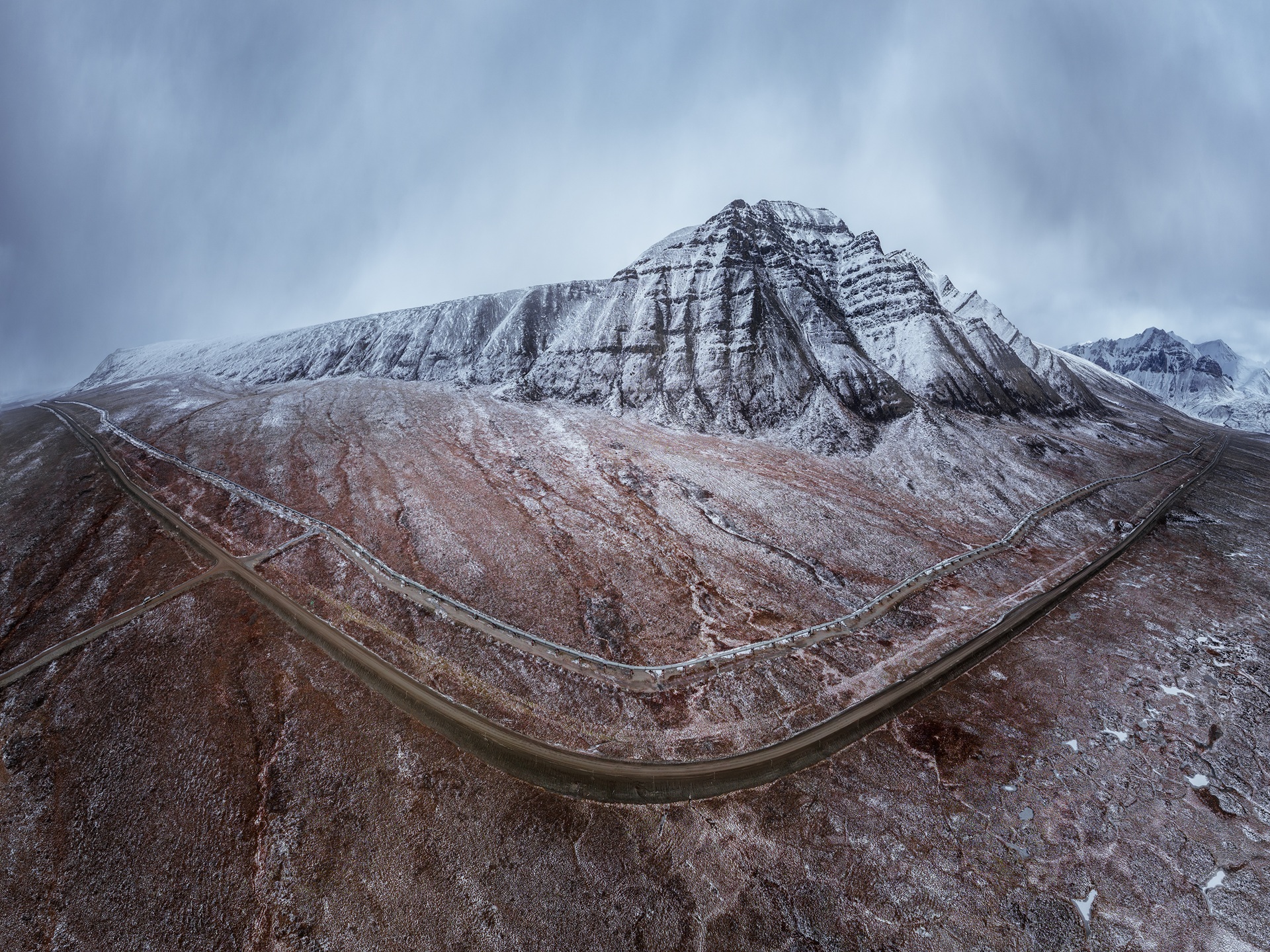
The Dalton Highway, Trans-Alaska Pipeline, and majestic Brooks Range come together in this aerial image to tell a story of Alaska’s landscape, history, and infrastructure.
Built in the 1970s to support construction of the Trans-Alaska Pipeline System (TAPS), the Dalton Highway stretches 414 miles (666 km) from near Fairbanks to Deadhorse, crossing some of the most remote terrain in North America. Today, it remains a vital supply route to the Prudhoe Bay oil fields. For much of its route, the highway follows the 800-mile (1,287 km) Trans-Alaska Pipeline, which transports oil from Prudhoe Bay on Alaska’s North Slope to the marine terminal at Valdez. North of the Arctic Circle, the Dalton crosses the Brooks Range, where rugged mountains rise above the open tundra.
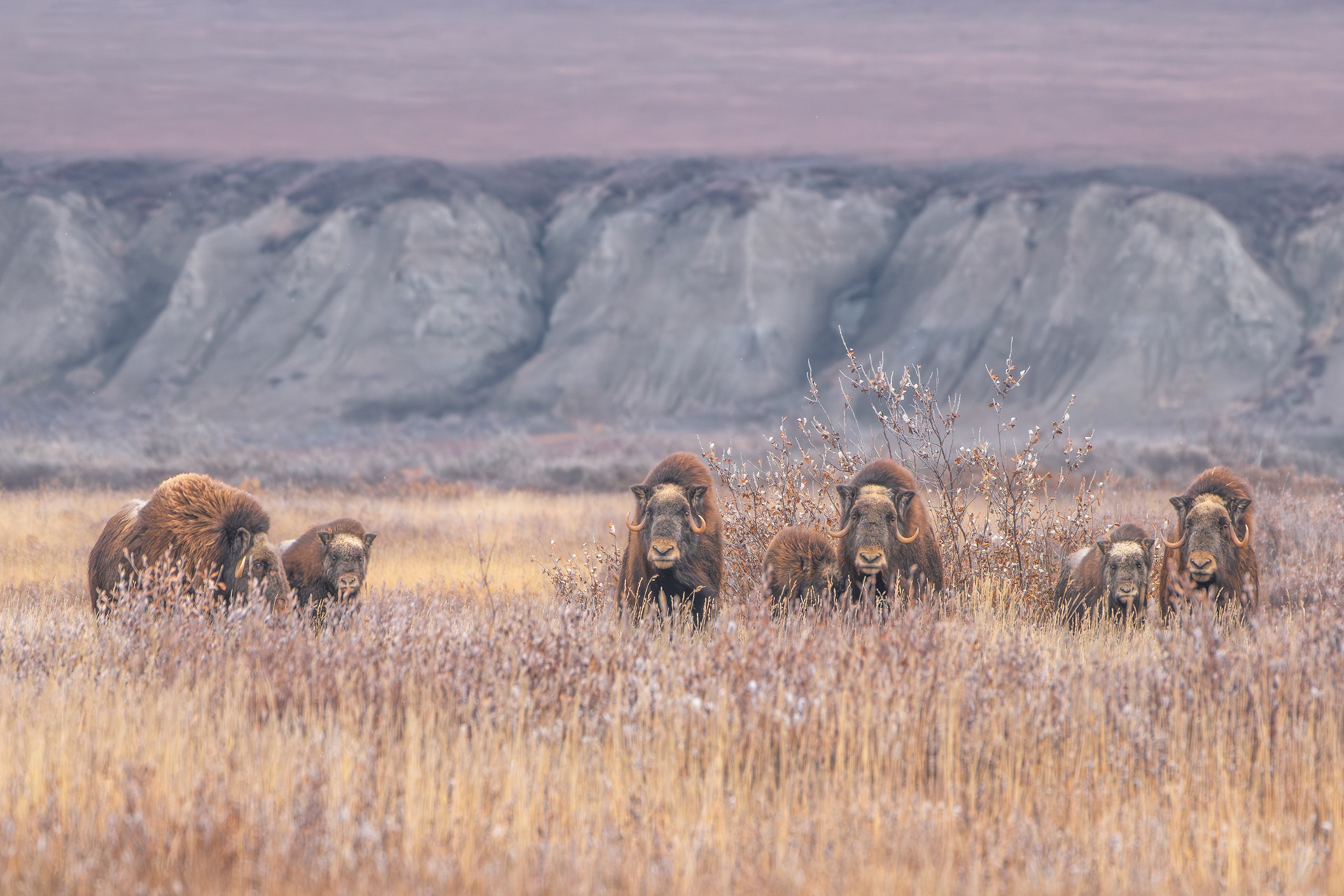
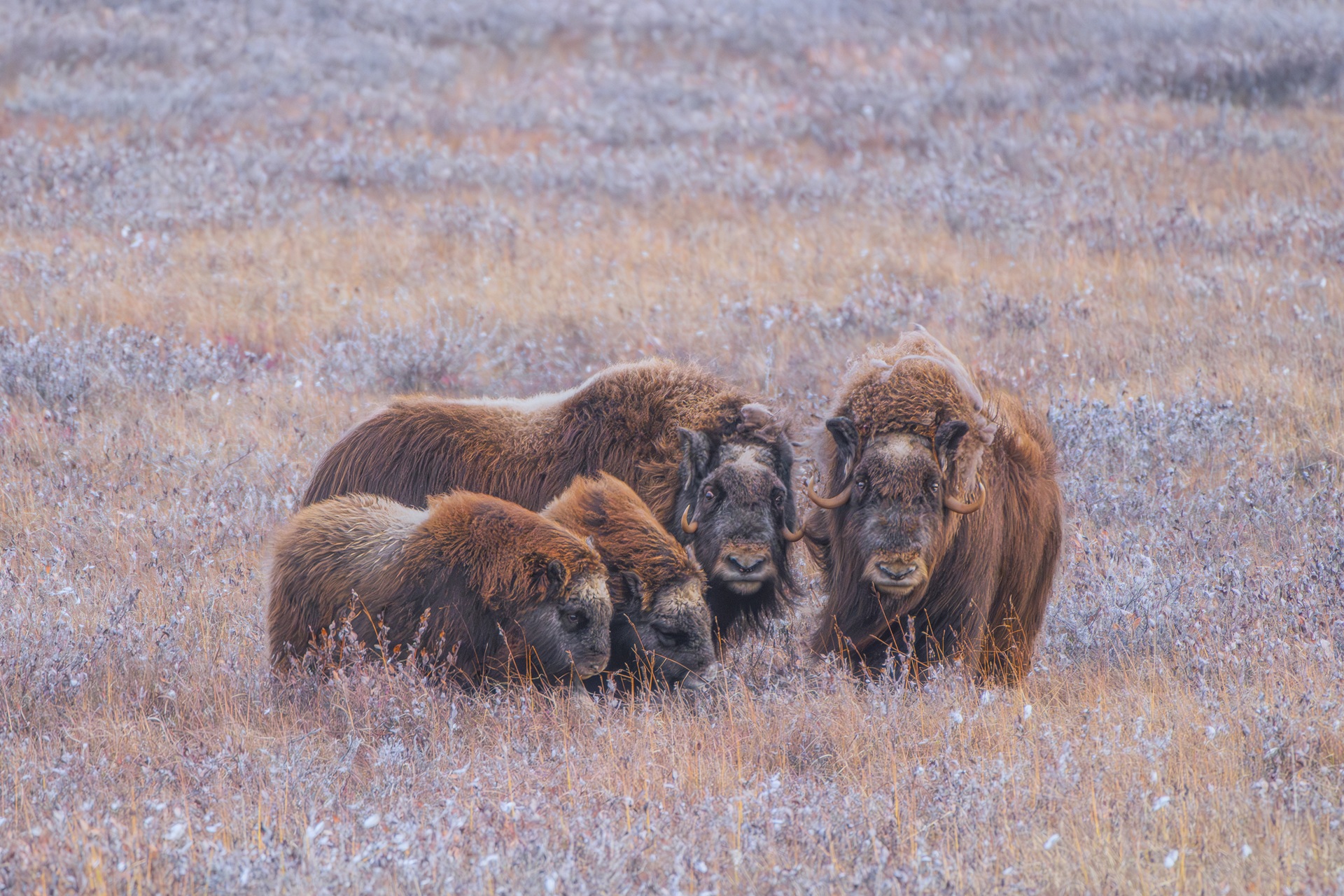
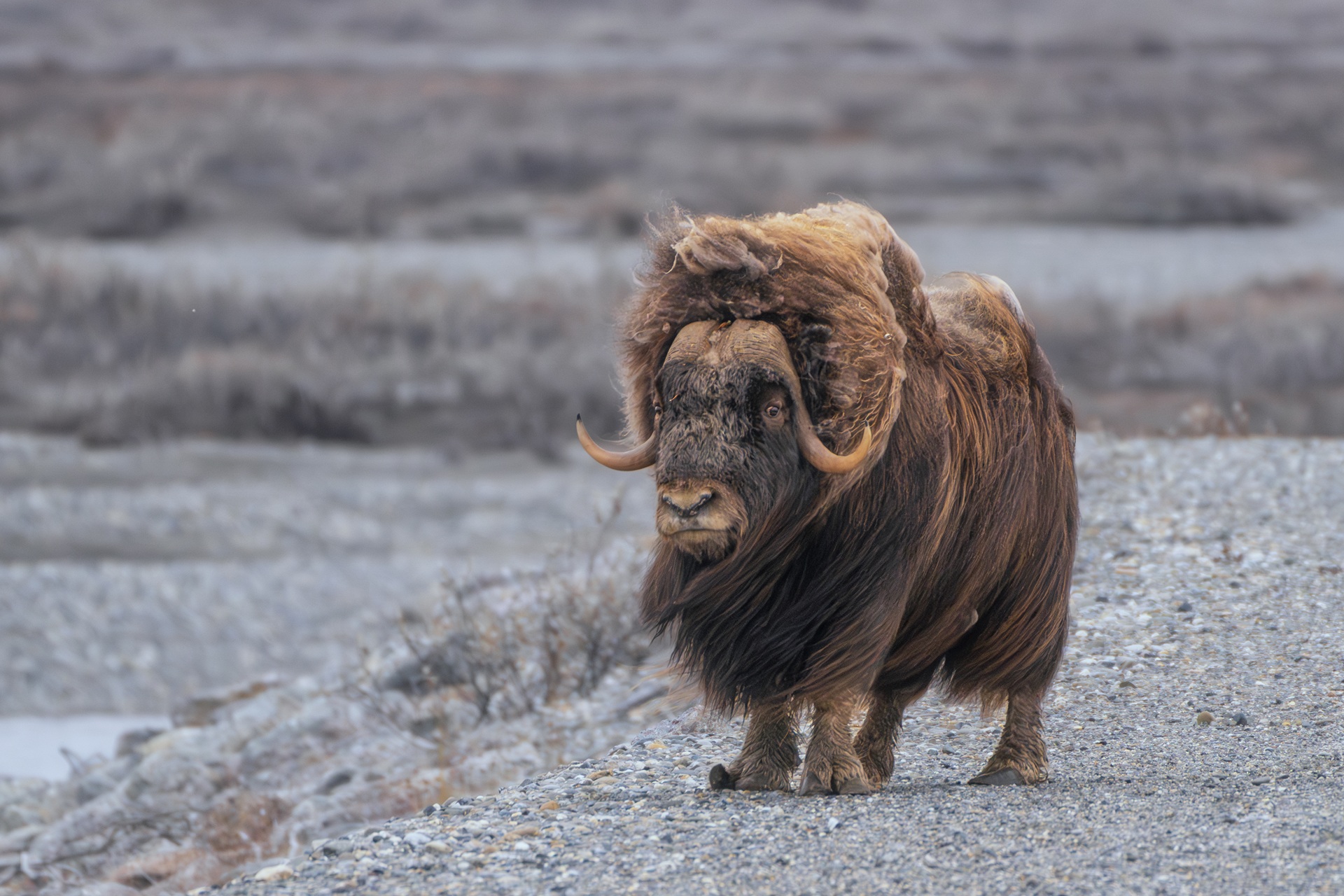
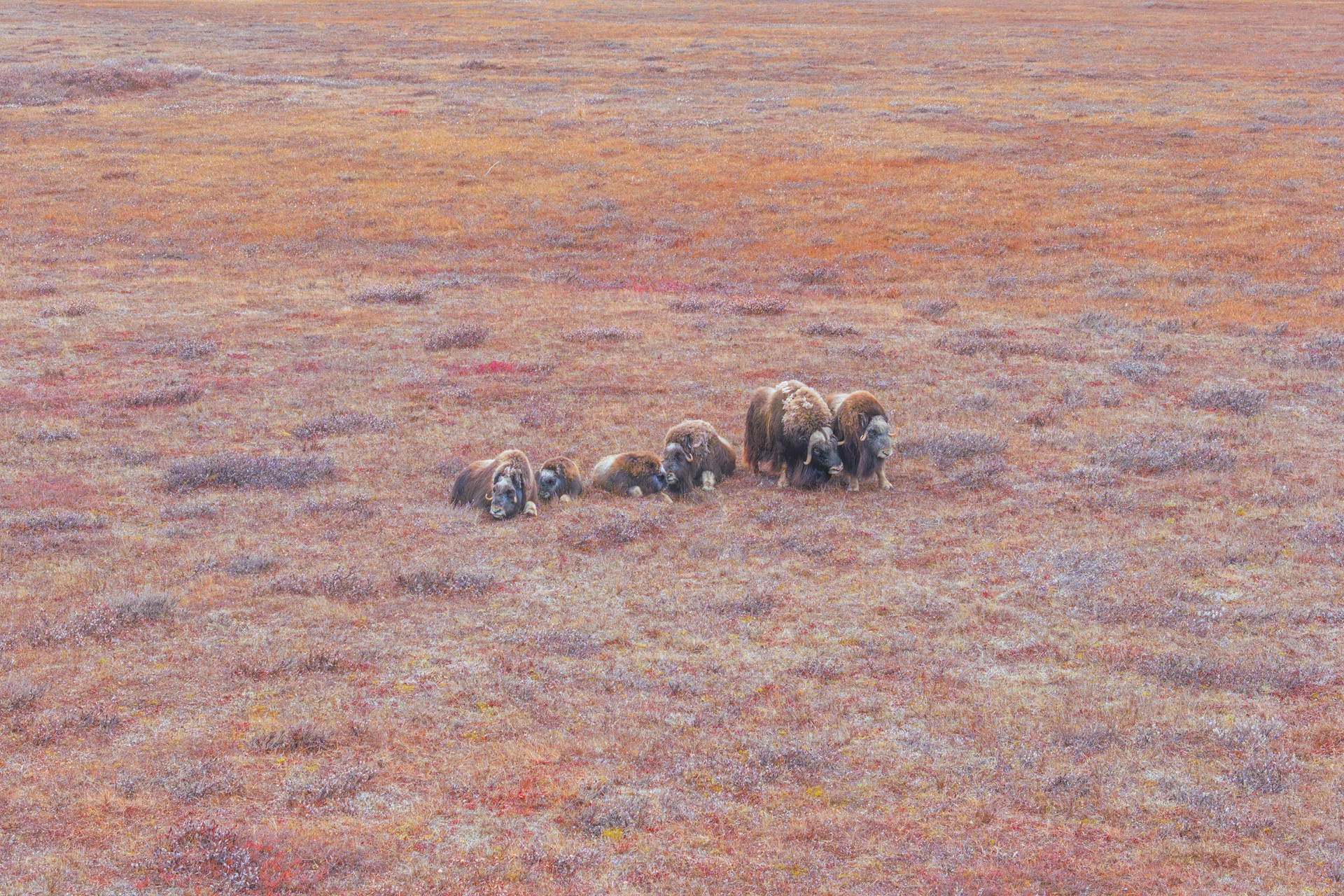
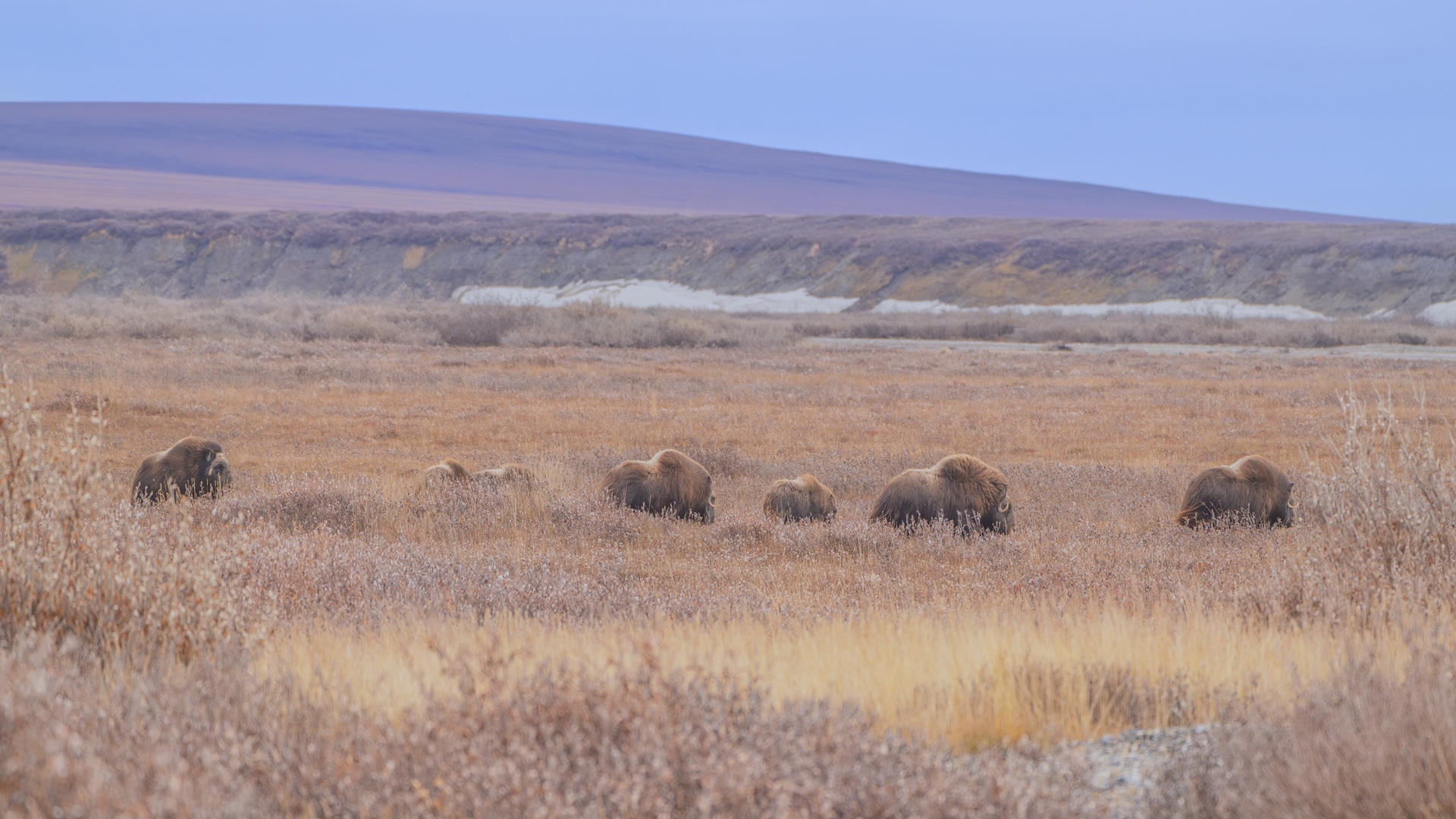
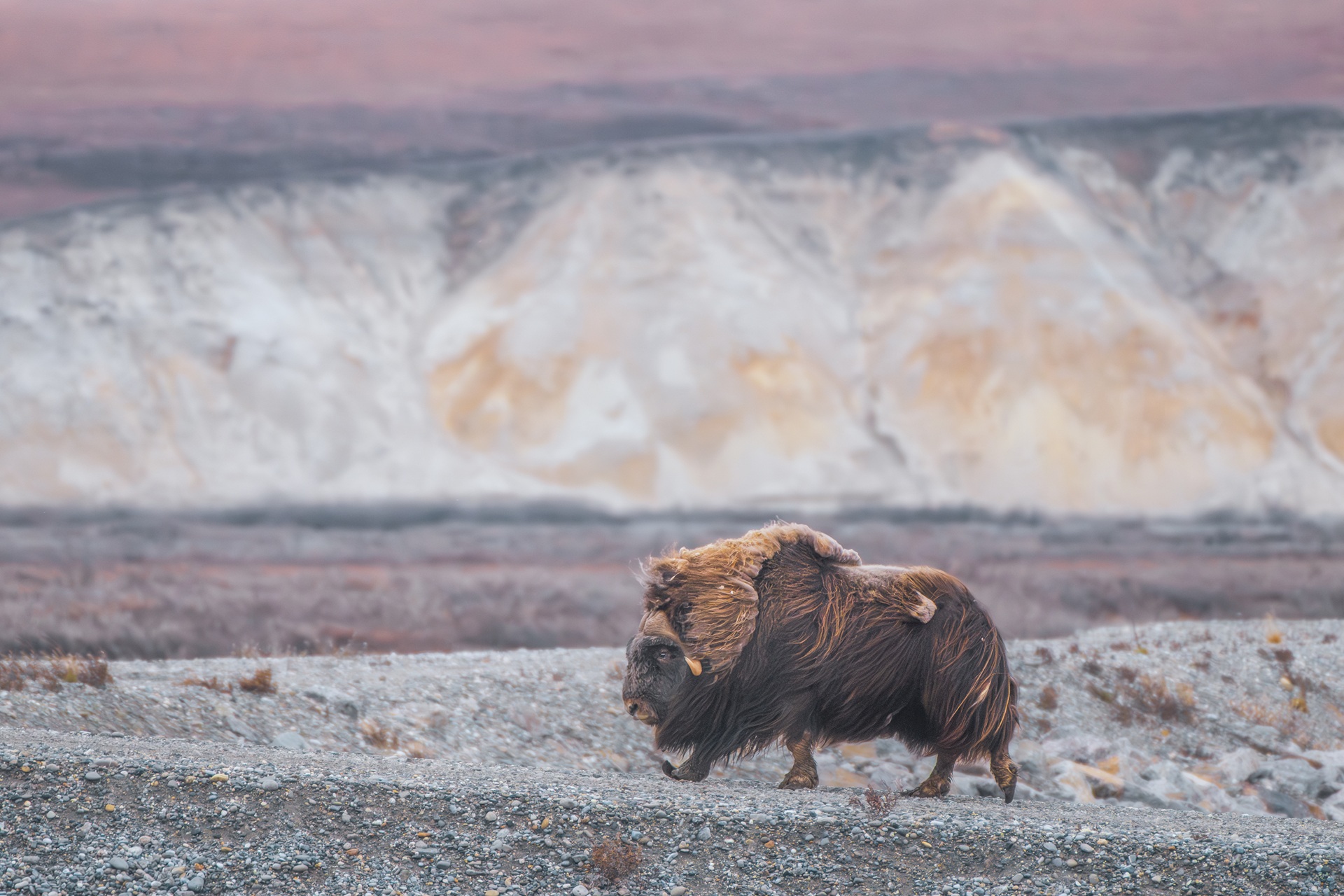
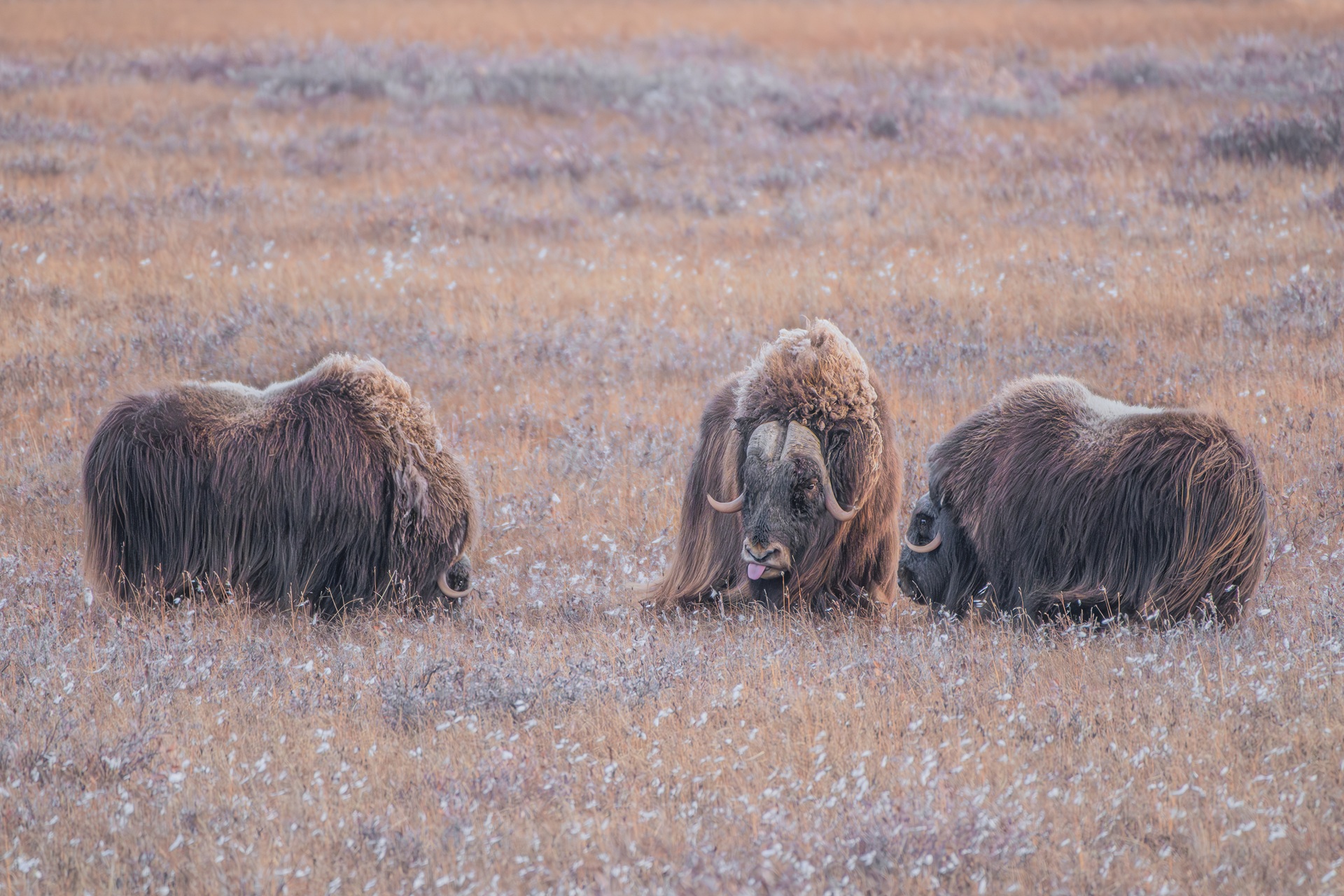
The musk oxen sightings were especially amazing. These giant animals are built like tanks! I had been wanting to plan a trip to Greenland specifically to photograph them, but here in Alaska, I finally got to tick musk oxen off my bucket list!
Musk oxen once roamed Alaska alongside other Ice Age animals, but by the late 1800s, they had disappeared from the state, likely with overhunting contributing to their decline. In 1930, conservationists brought just 34 musk oxen from East Greenland to restore the species. They were eventually moved to Nunivak Island, and their descendants were later relocated to other parts of Alaska. Today, about 4,000 musk oxen live in Alaska, all descended from those original 34 animals.
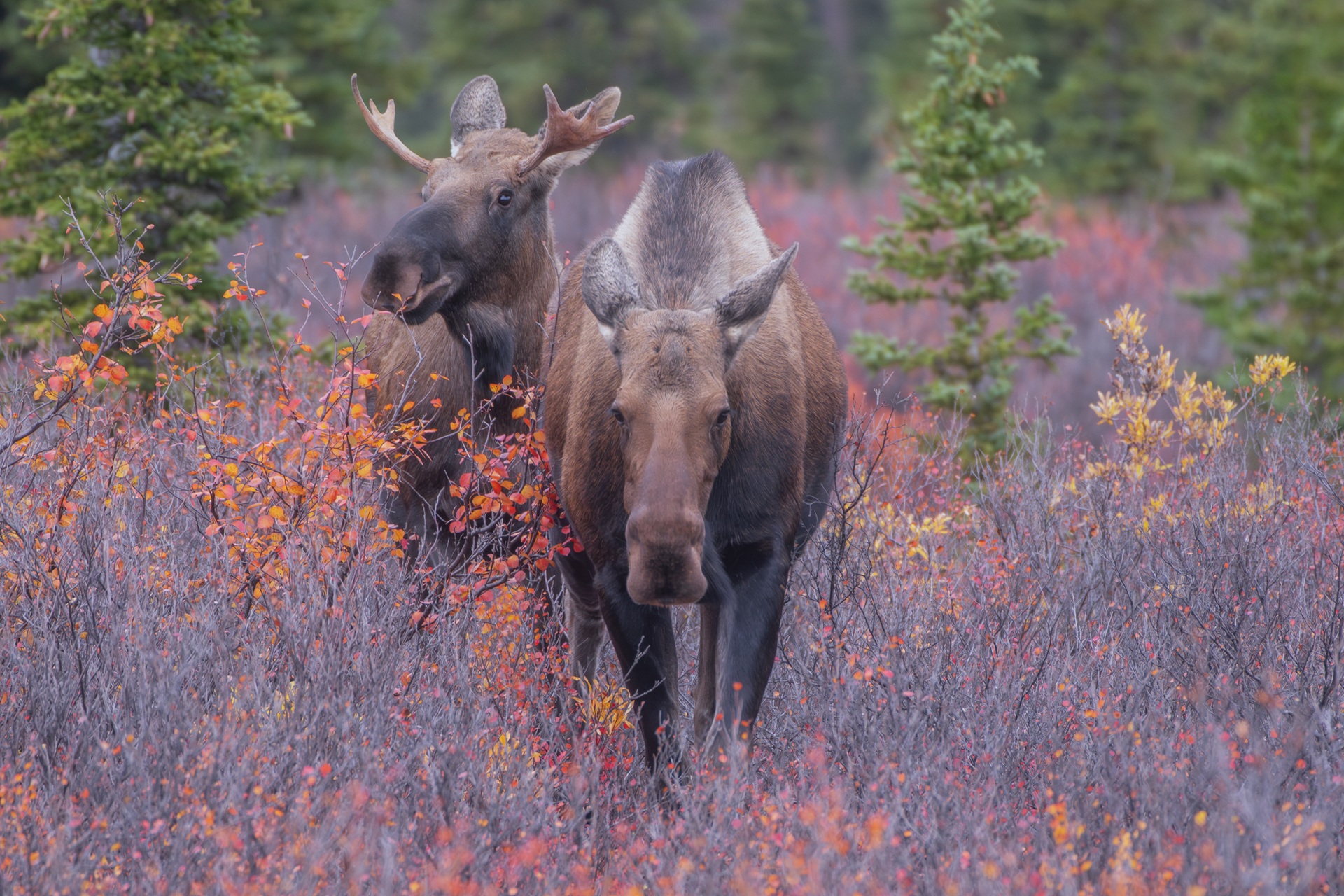
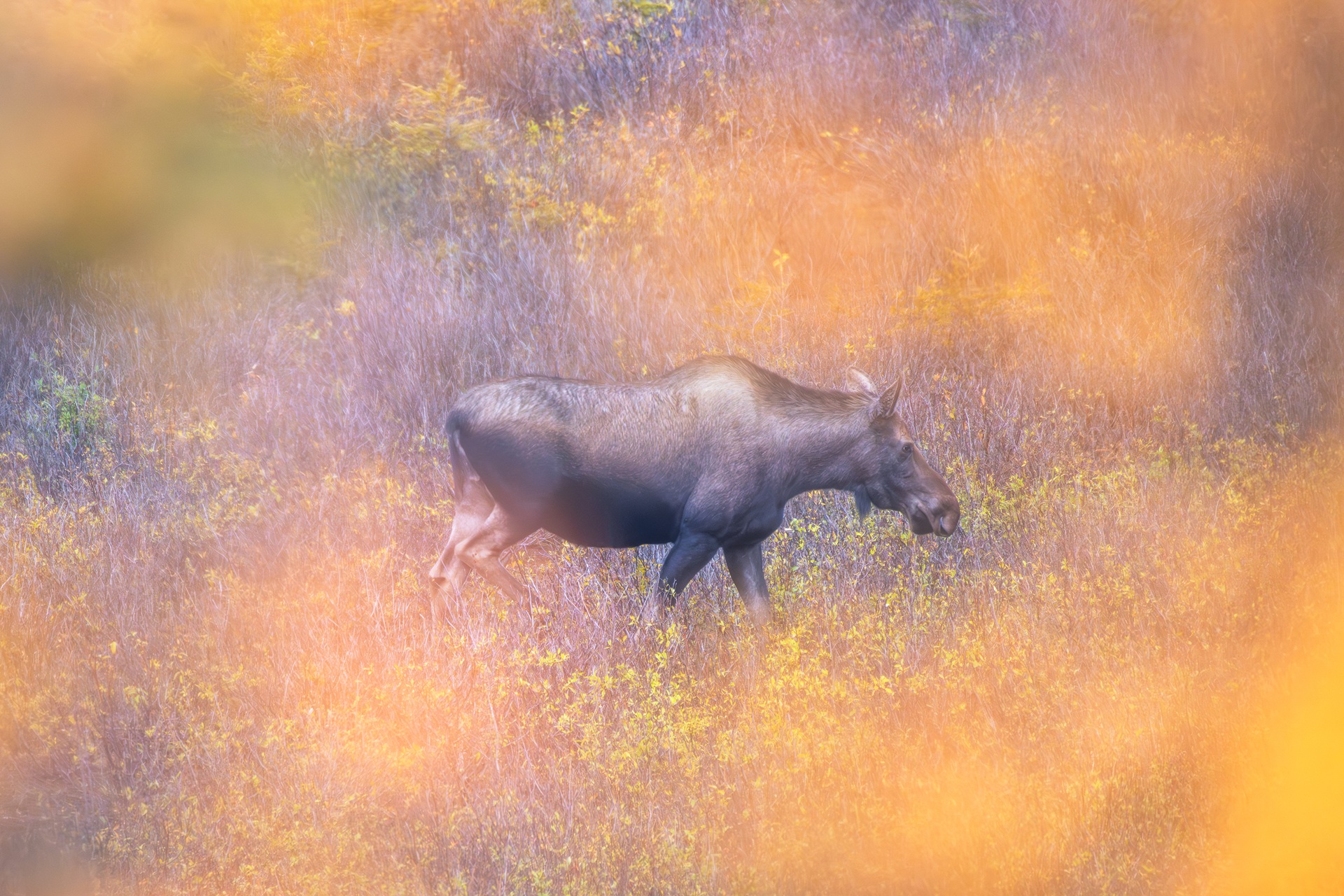
Alaska is home to some of the largest moose in the world. Adult male Alaska moose can weigh well over 1,000 pounds (450 kg), while females can weigh around 800 – 1,000 pounds (360 – 450 kg). Today, Alaska is home to an estimated 175,000 – 200,000 moose, although their numbers vary by region and from year to year.
Everything about an Alaska moose seems oversized. A large bull’s antlers can span more than 6 feet (1.8 m), about the width of a person lying down with their arms outstretched. Their extremely long legs aren’t just for height; they are an important adaptation for life in Alaska, helping these massive animals move through deep snow, marshes, and dense vegetation. Despite their enormous size, moose are also excellent swimmers. They can swim for several miles and even dive underwater to feed on aquatic vegetation, sometimes completely submerging their head, and much of their body, to reach plants below the surface.
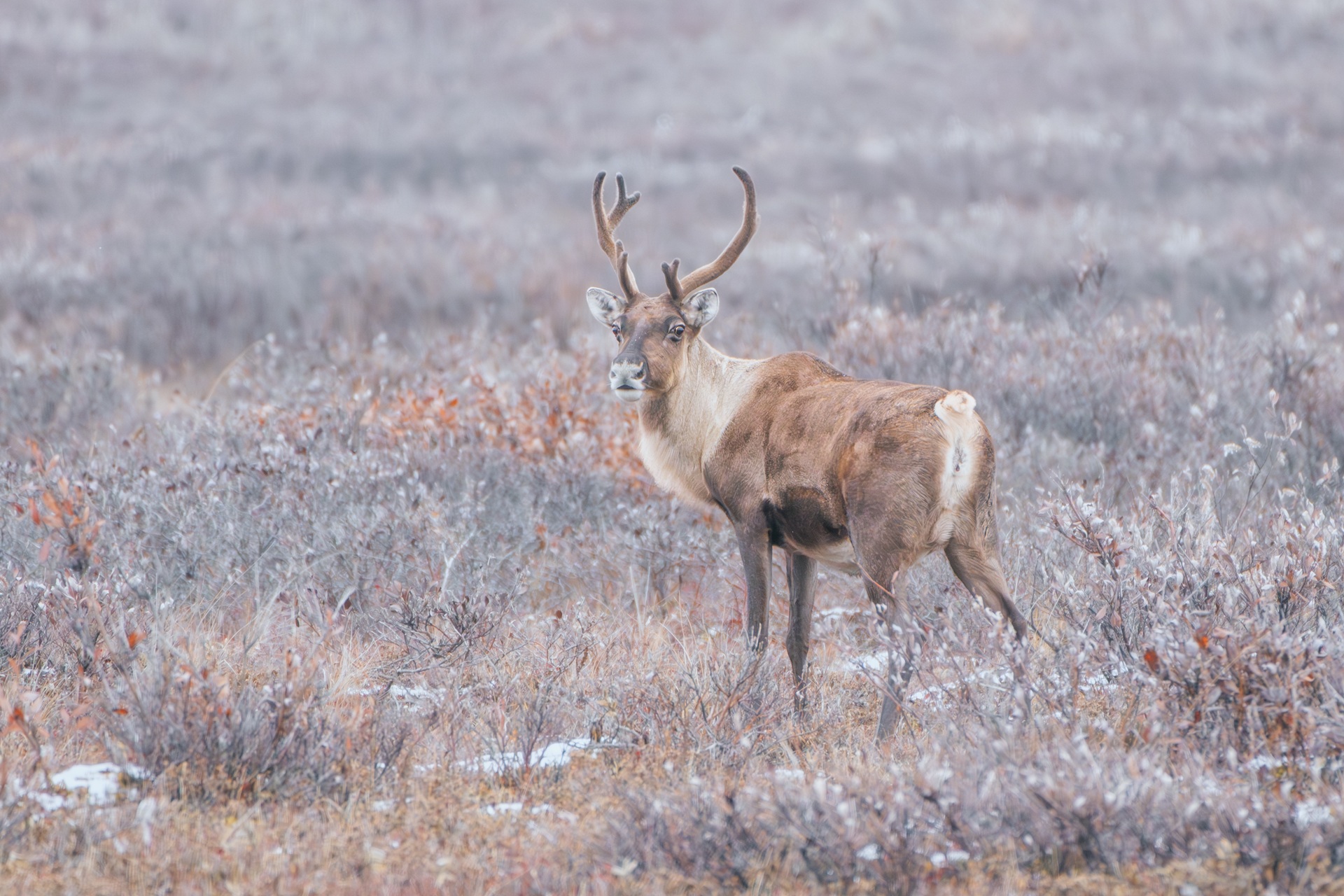
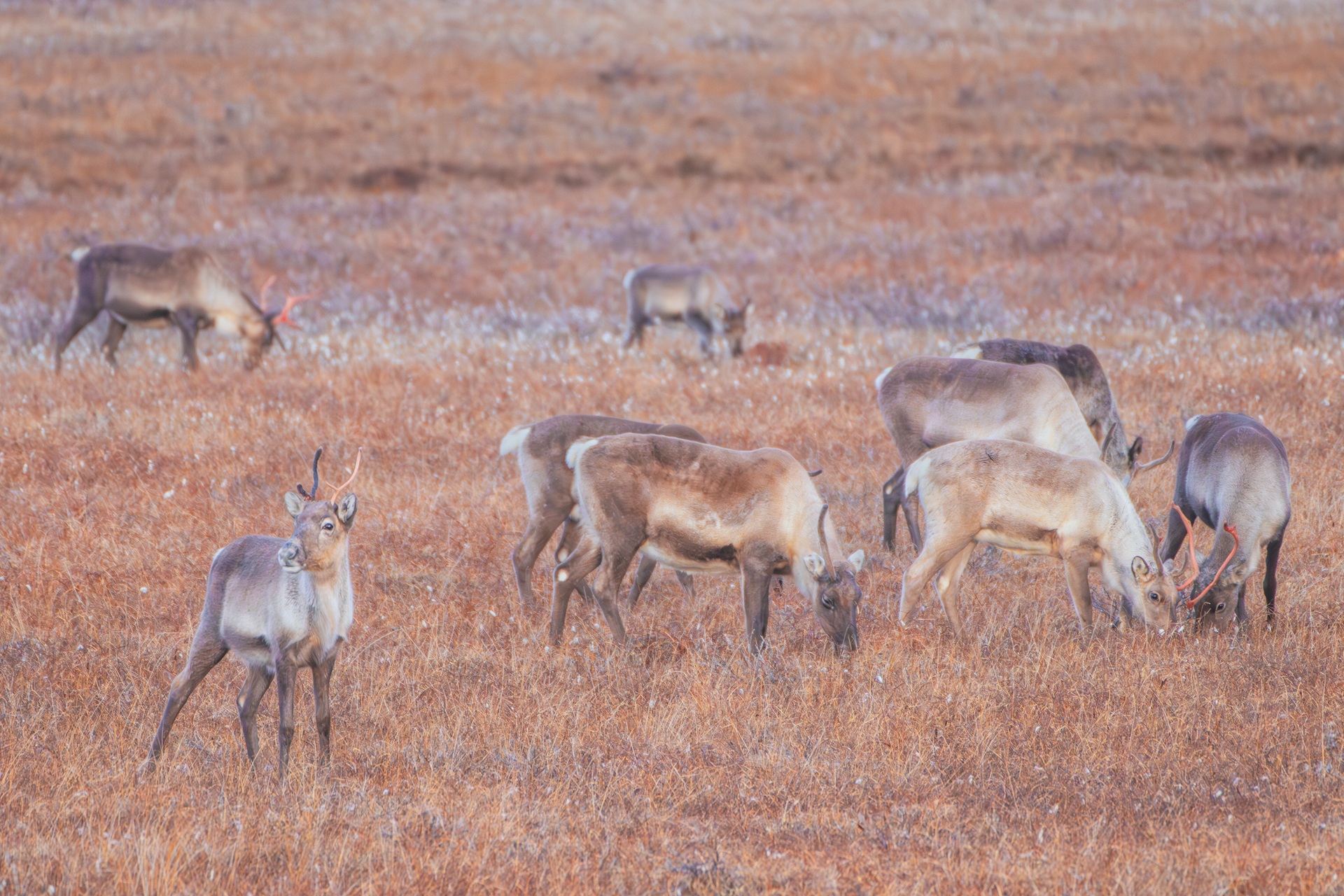
Caribou are one of the most iconic animals of Alaska’s Arctic wilderness. Unlike other deer, both male and female caribou regularly grow antlers. They are also incredible travelers, with some individuals covering thousands of miles a year during their seasonal movements. Their large, spreading hooves help them travel across snow and soft tundra and dig for food beneath the snow. They are also excellent swimmers, with hollow guard hairs providing insulation and buoyancy in icy Arctic waters. Perhaps their coolest adaptation is that caribou can see ultraviolet light, allowing them to detect contrasts in the snowy landscape that are invisible to us. Caribou and reindeer are actually the same species! In North America, we generally call the wild animals caribou, while the name reindeer is more commonly associated with Eurasian populations, particularly domesticated and semi-domesticated ones.
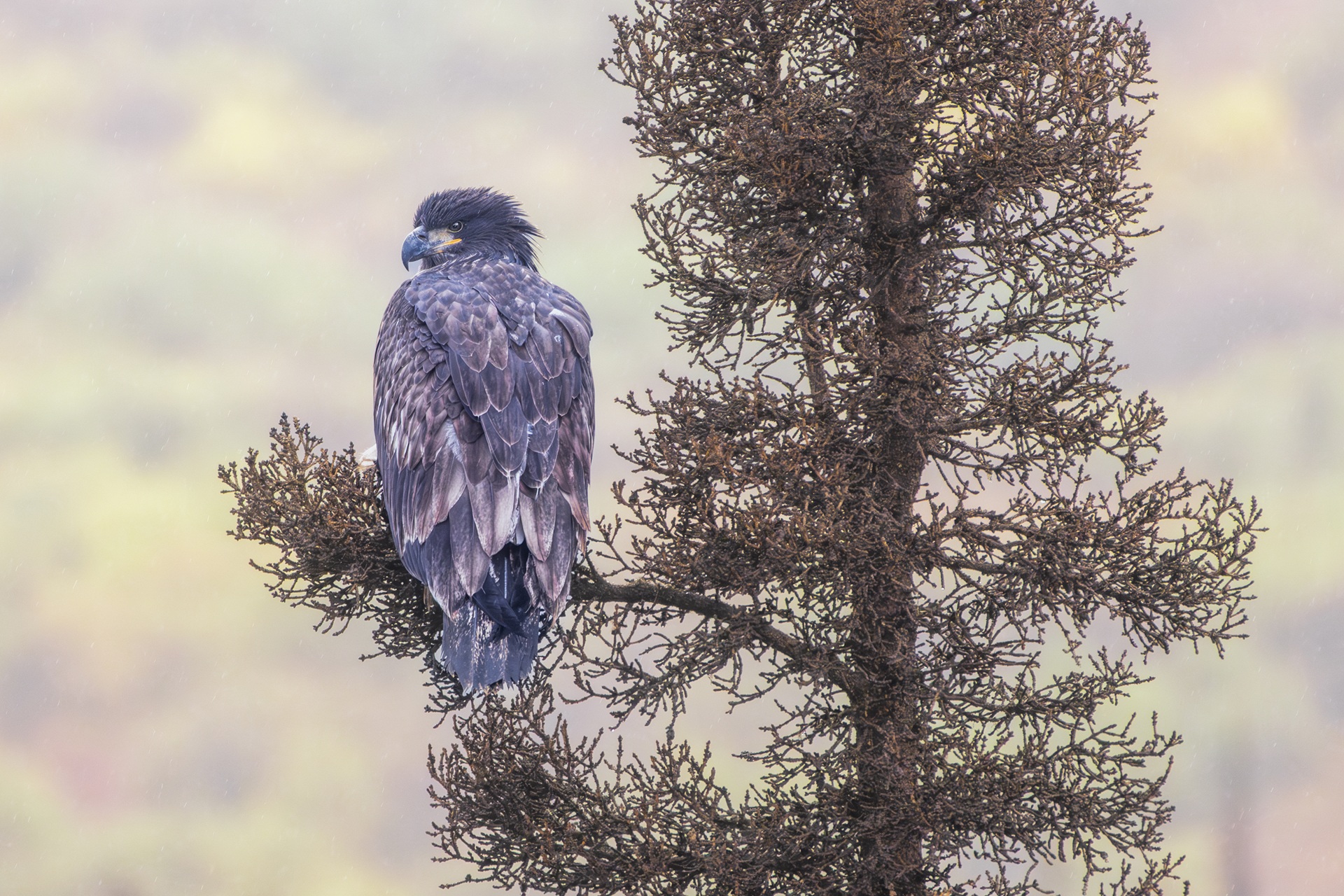
Alaska is truly bald eagle country! The state supports roughly 30,000 bald eagles, one of the largest concentrations in North America. This is a juvenile bald eagle we spotted along the Denali Highway, probably around three years old. Juvenile bald eagles don’t get their famous white head and tail right away, it takes about four to five years for them to develop their distinctive adult plumage. Until then, their feathers gradually change from the mottled brown and white of juveniles to the unmistakable appearance of an adult bald eagle.
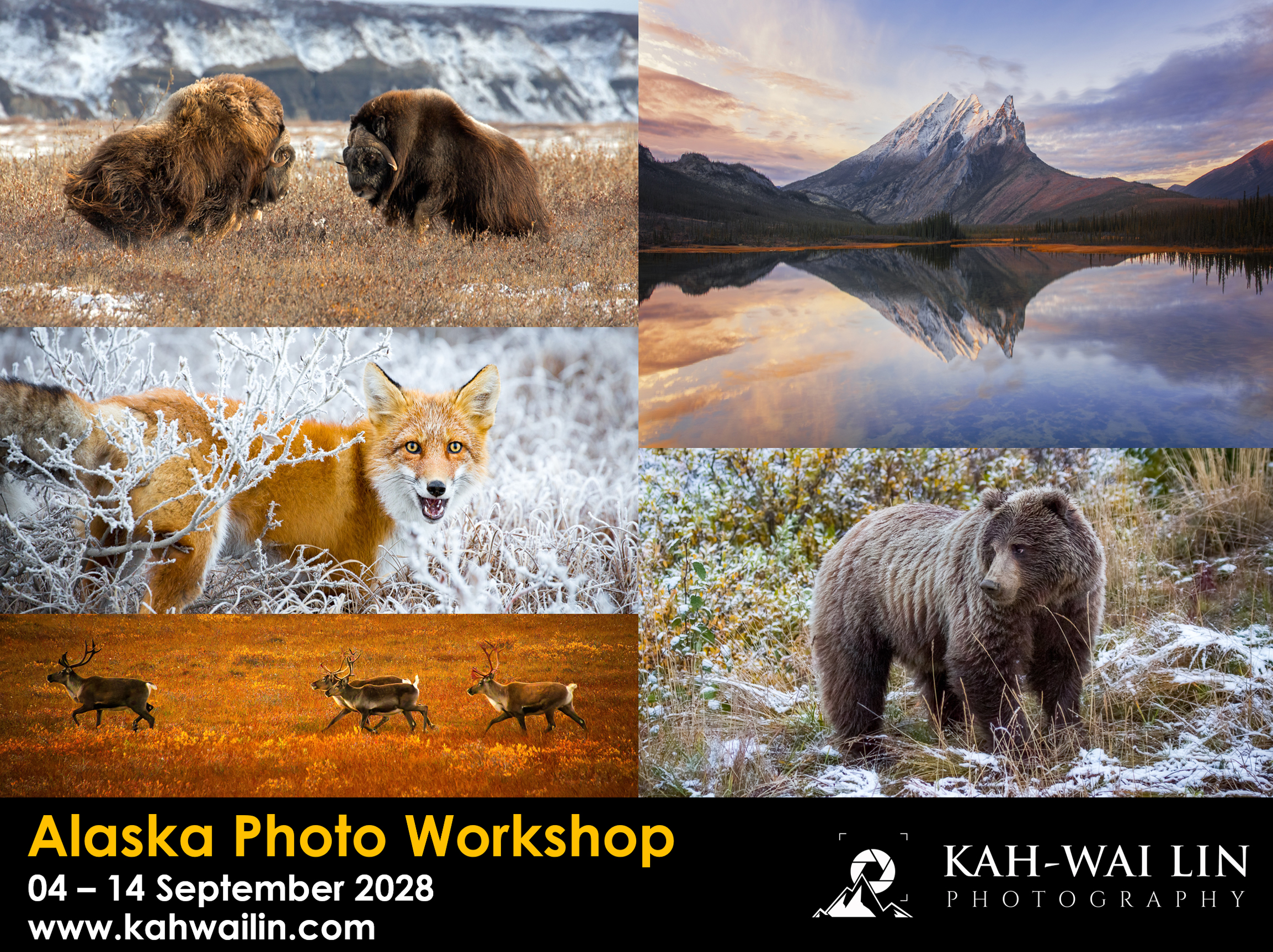
We will be offering another Alaska Autumn Photo Workshop in 2028, and once again, our journey will take us from Denali all the way north, across the Arctic Circle and along the legendary Dalton Highway to Deadhorse, with plenty of opportunities to photograph Alaska’s incredible wildlife along the way. Join us for this amazing Arctic photography adventure!