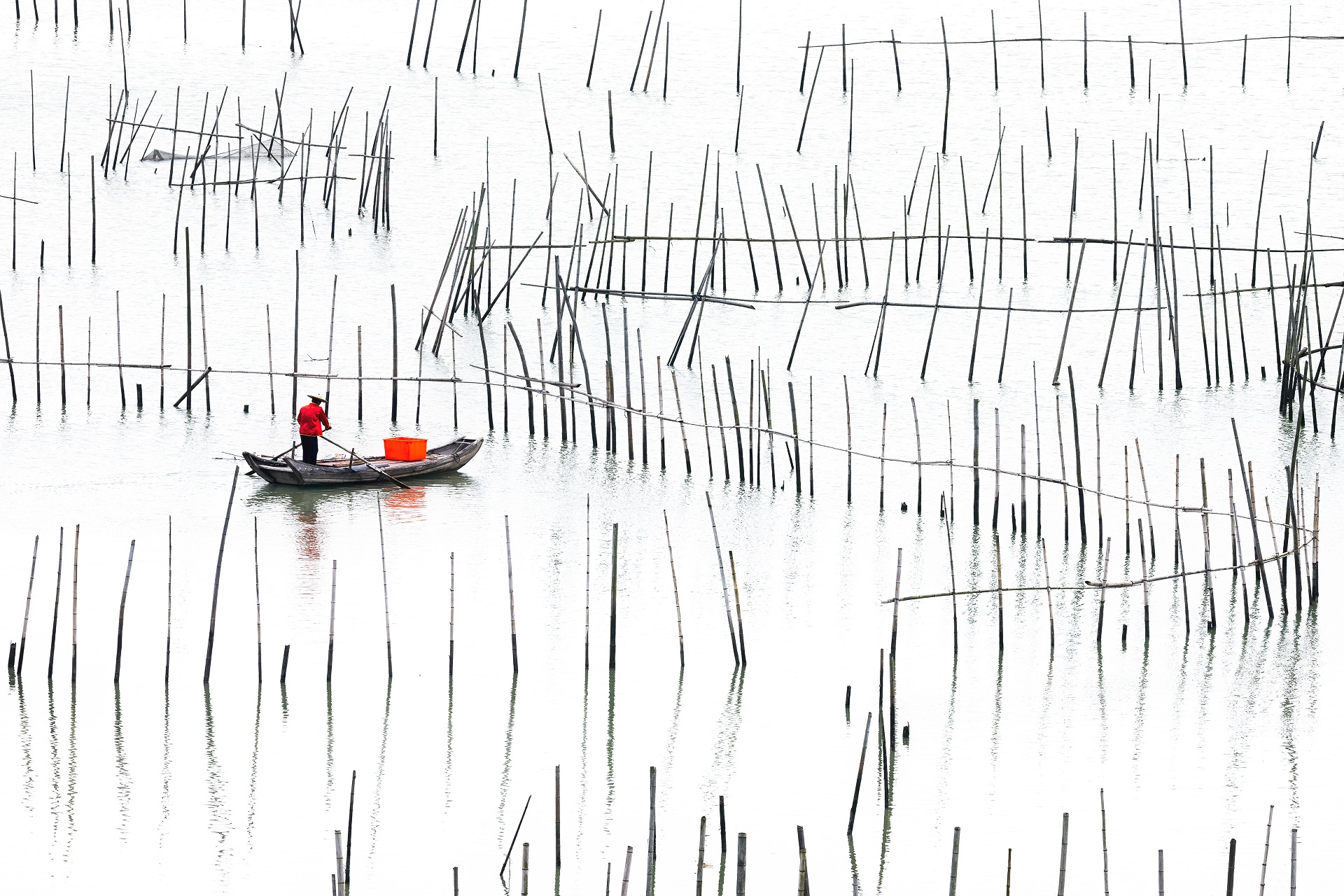


There has long been a debate within the photographic community about the role of staging in cultural photography. At the center of this discussion lies a fundamental question: what is the purpose of the image we create?
Staging, when understood properly, is not deception. It is an artistic process. To construct a meaningful cultural image, a photographer must go far beyond documentation. It requires ideas, research, and sensitivity. One must understand the historical context, the evolution of a culture, and the significance of what is being portrayed. Only then can a story be thoughtfully built.
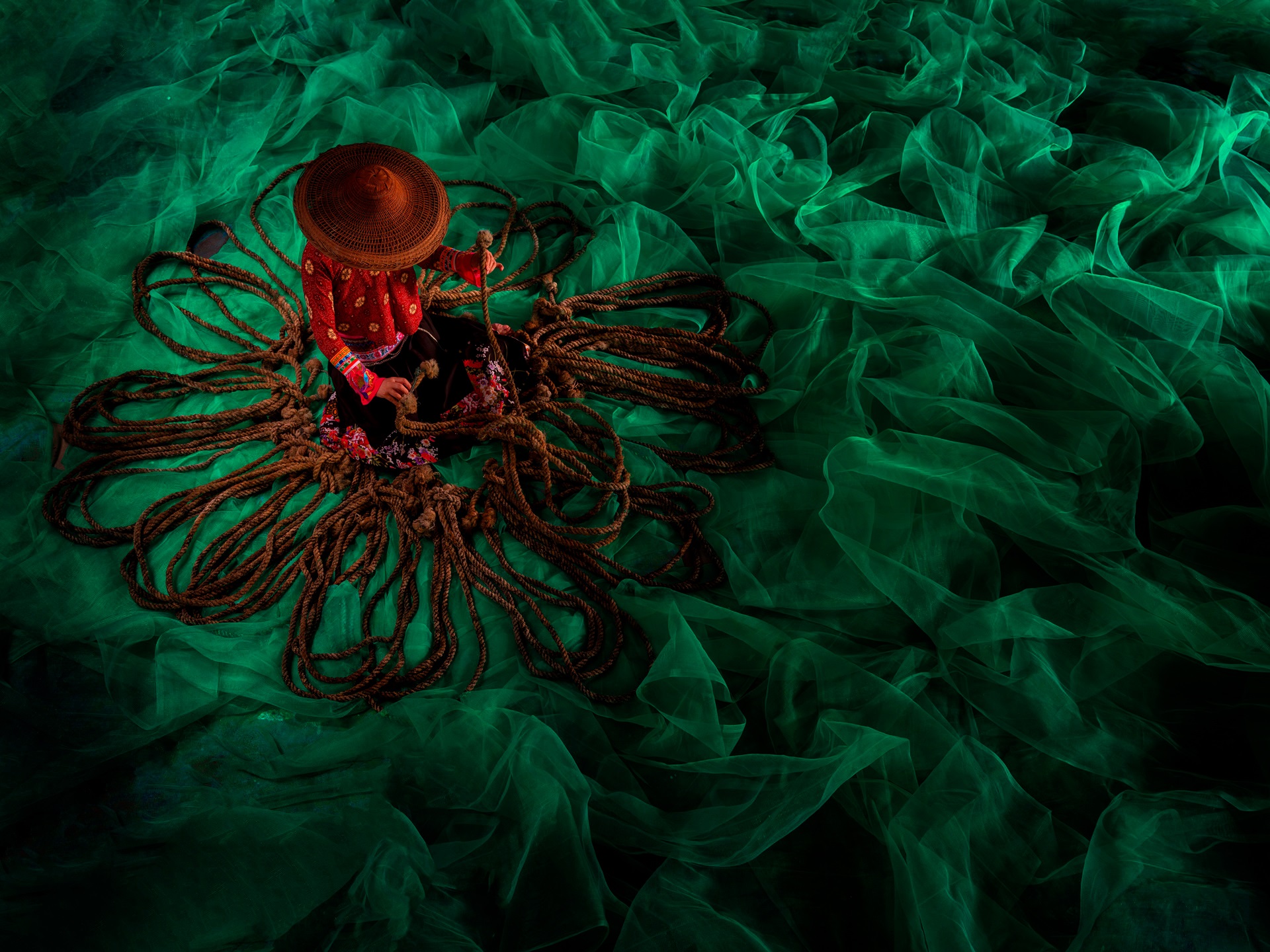
From there, the visual language comes into play. Where should the subject be placed? How does light shape mood and meaning? What elements belong in the frame, and what should be excluded? These decisions are not accidental. They are deliberate acts of interpretation. In many ways, staged cultural photography is closer to filmmaking than to pure reportage. The photographer becomes both director and storyteller, shaping reality into a visual narrative that communicates something deeper than a literal moment.
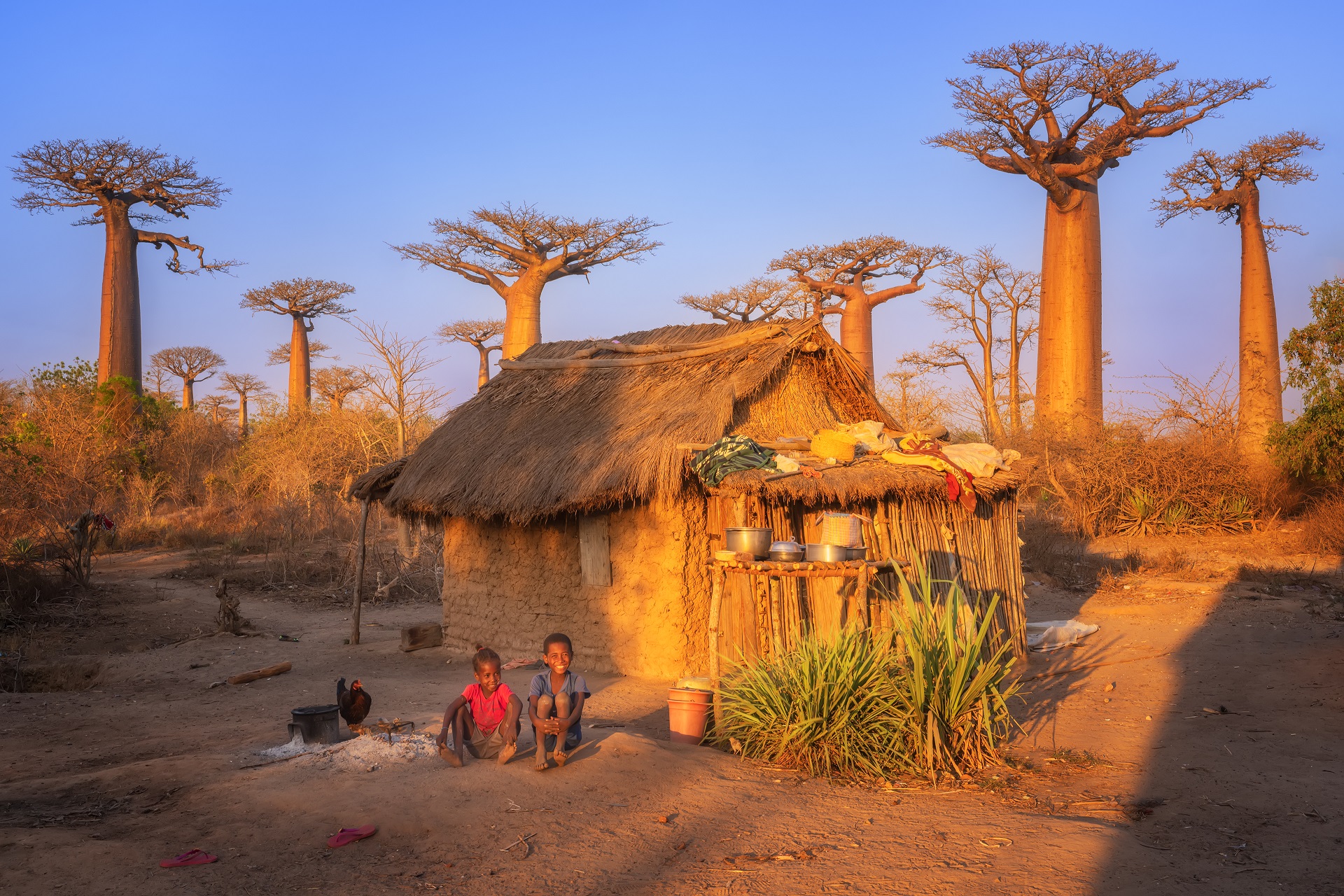
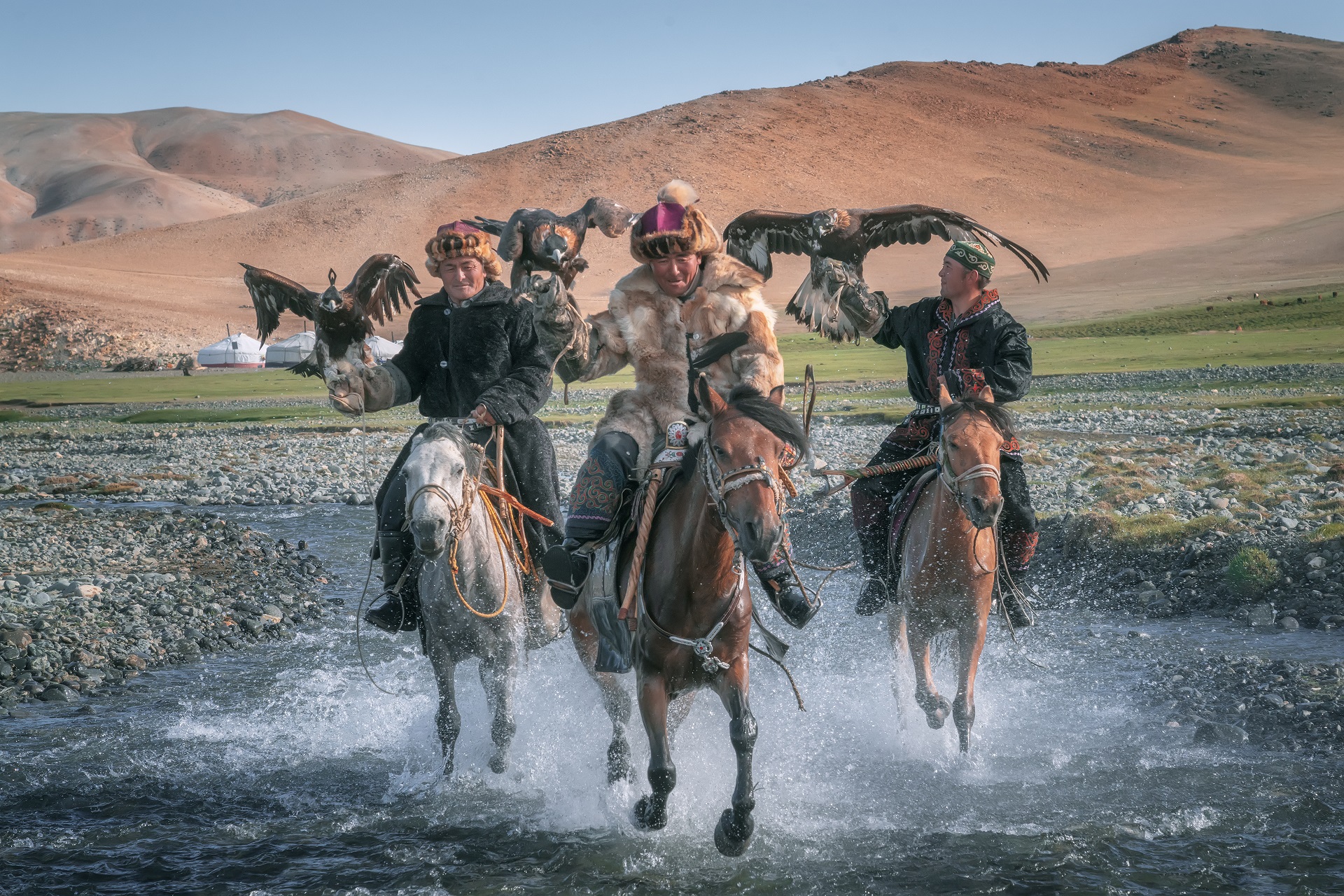
At the same time, we must acknowledge an uncomfortable truth: much of what we define as “traditional culture” has already changed, or in some cases, disappeared. In remote regions across the world, from parts of Africa to the Gobi Desert, daily life today is influenced by modern technology, globalization, and economic shifts. People use smartphones, drive vehicles, and live in ways that are not fundamentally different from the rest of the world.
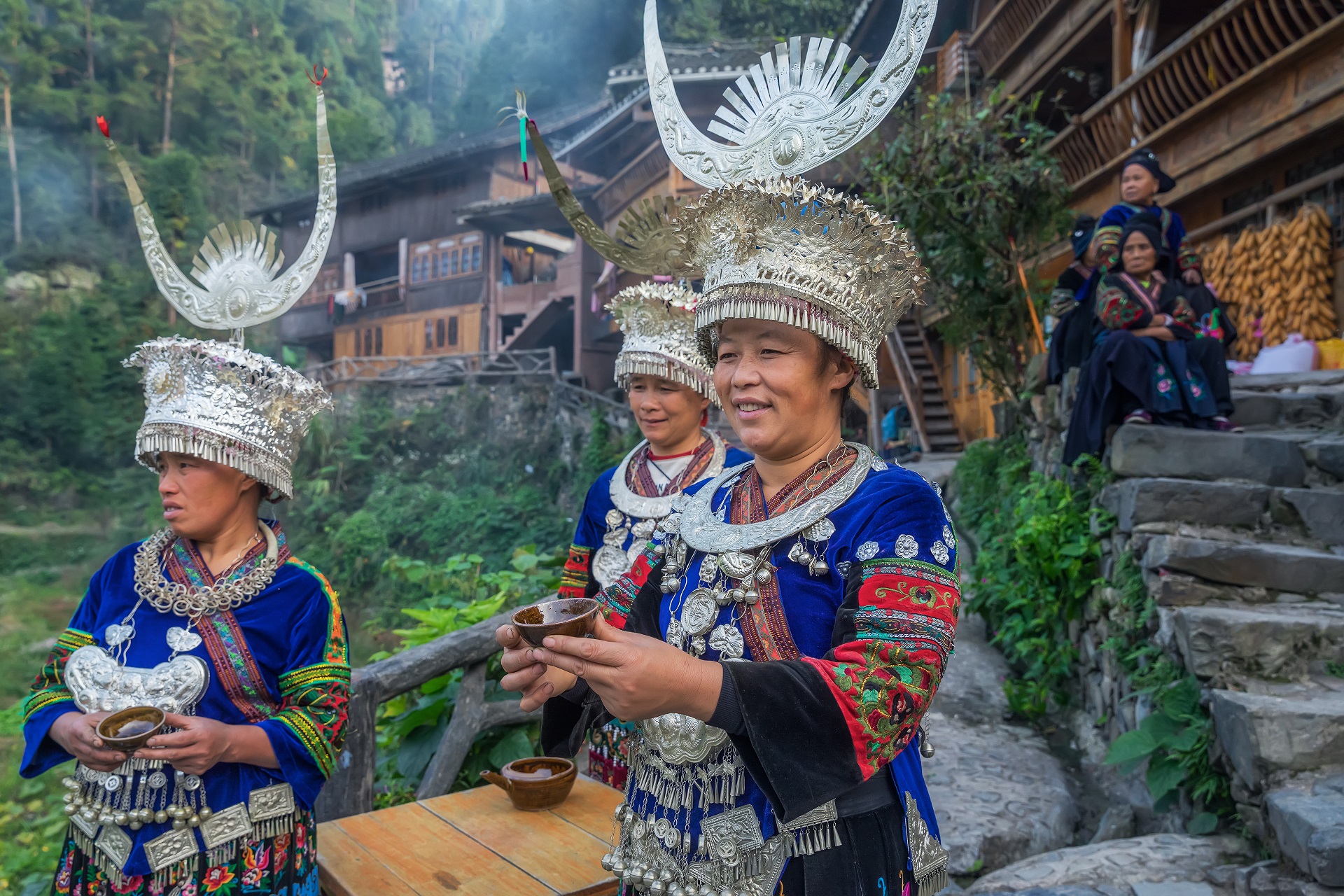
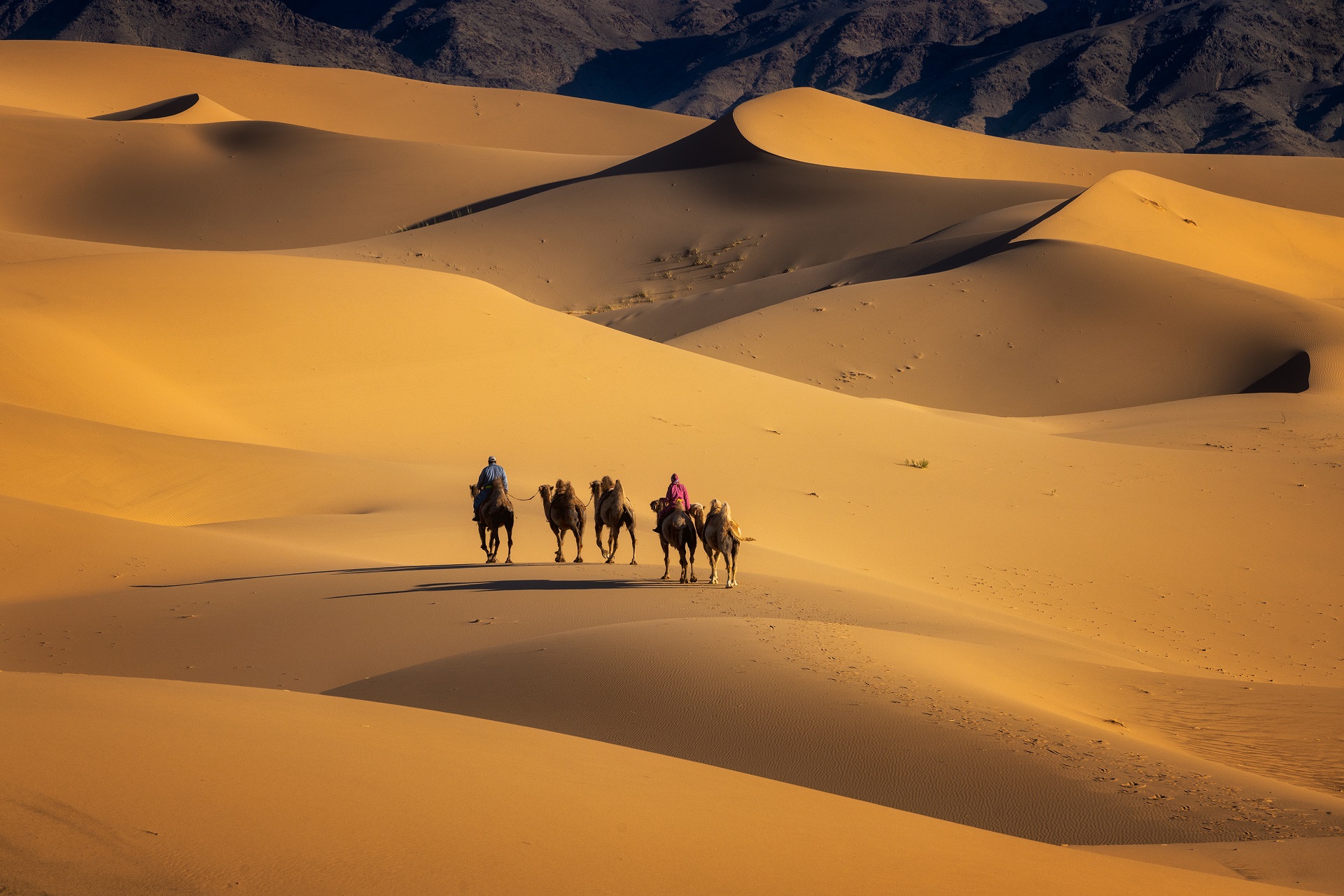
What we often seek as photographers is not the present-day reality, but a connection to the past. However, that past is rarely visible in its original form anymore. Cultural practices that once defined daily life may now appear only during festivals, ceremonies, or in response to tourism. The image of a camel caravan crossing an empty desert, for example, is no longer a common scene, but it remains a powerful symbol of history and identity.
In this context, staging becomes a method of reconstruction. When approached with respect and understanding, it allows photographers to recreate, interpret, and preserve visual narratives of cultures that are fading or evolving. It is not about fabricating a false reality, but about expressing a deeper cultural truth that is no longer easily observed.
Of course, intention matters. There is a clear distinction between staging for artistic storytelling and staging that misleads the viewer into believing something is an untouched, candid reality. Transparency and honesty are essential, especially in contexts such as journalism or competitions where authenticity is strictly defined.
For many photographers, however, photography is not journalism. It is a personal pursuit, a creative outlet, and a way to engage with the world. Staged cultural photography offers an opportunity to refine technical skills, explore visual storytelling, and connect with cultural heritage in a meaningful way. It allows photographers to slow down, think, and create with intention, rather than simply react to what is in front of them.
Ultimately, the question is not whether staging is right or wrong, but whether it is used thoughtfully and responsibly. If we are clear about our intent and respectful of the cultures we portray, staging can be a powerful tool. Outside of contexts where strict rules apply, such as competitions or documentary work, photography should remain a space for exploration, creativity, and personal expression.
In the end, we photograph not only what is, but also what once was, and sometimes, what we feel should be remembered.